
Did you know that approximately 236 million adults worldwide, around 5.56% of the global adult population, are estimated to live with Peripheral Artery Disease (PAD), a major contributor to impaired blood circulation and reduced mobility? [1] (Global disease burden and its attributable risk factors of peripheral arterial disease).
Healthy blood circulation is essential for overall wellness; it fuels every organ, muscle, and joint by transporting oxygen and nutrients throughout the body. When circulation slows, cells receive less oxygen, muscles tire more easily, and stiffness or reduced mobility can begin to limit a healthy lifestyle.
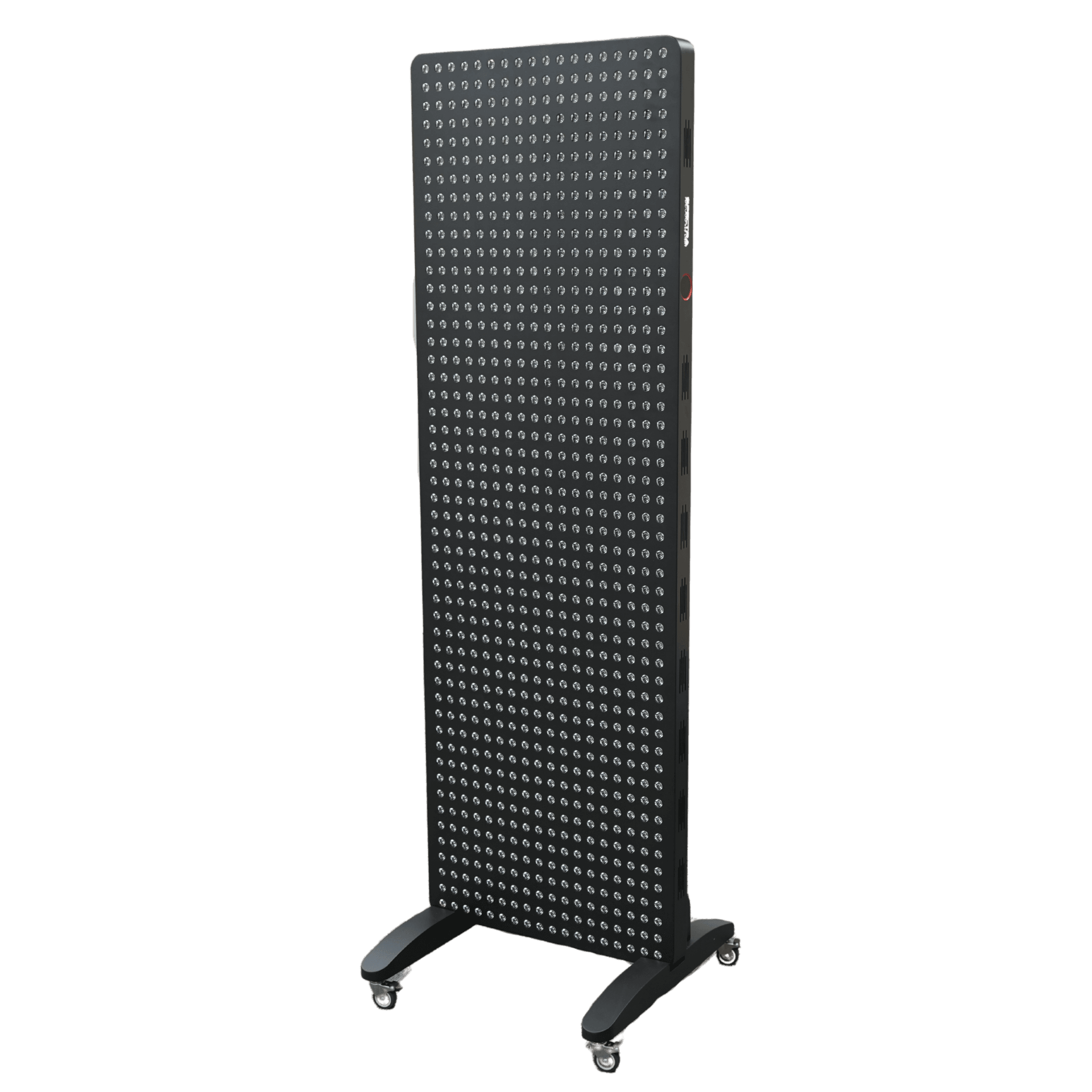
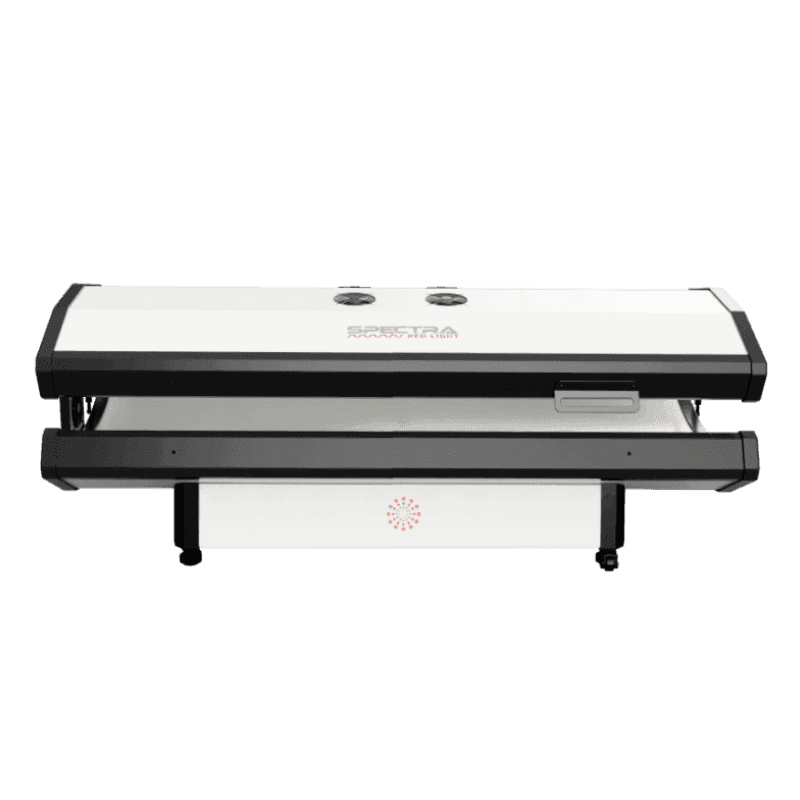
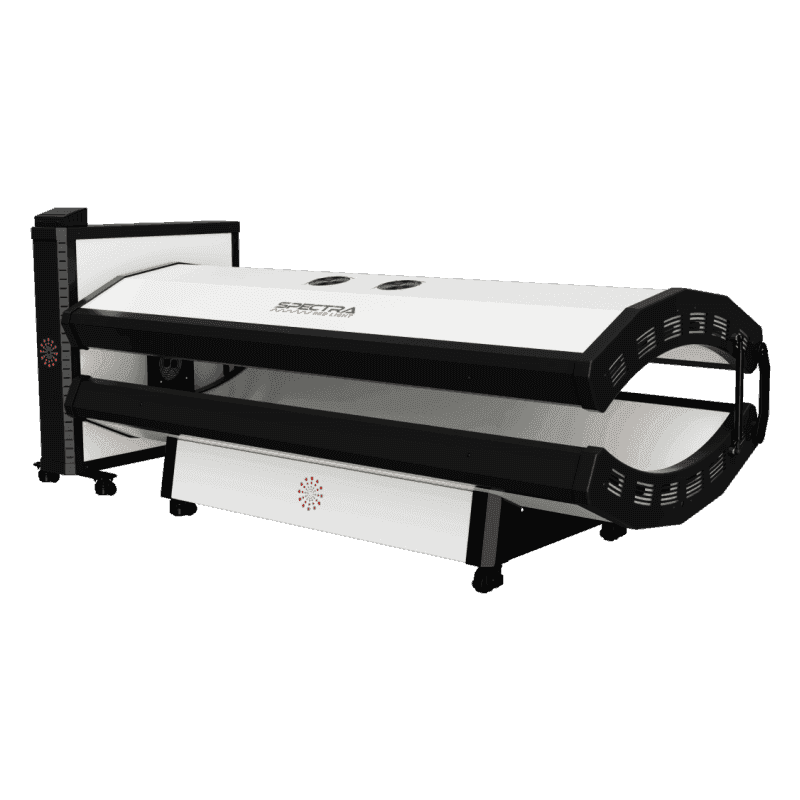
For individuals seeking to improve their circulatory health and boost physical capacity, scientifically-based solutions such as Red Light Therapy present a natural, rejuvenating way to assist these processes. Every heartbeat pumps oxygen-rich blood through arteries and capillaries to muscles, joints, organs and connective tissue, while simultaneously clearing away carbon dioxide and metabolic by-products. When this system works smoothly, tissues get the nutrients they need, and healthy movement comes with ease and energy. But when that circulation is slowed, due to many factors such as aging, vascular stiffness, sedentary lifestyle or metabolic factors, the results can be extremely restricting.
Red Light Therapy provides a simple, non-invasive method to help the body restore balance and enhance circulation from within. Using precise wavelengths of red and near-infrared light, this therapy interacts with the body at the cellular and vascular levels. The light energy is absorbed by mitochondria (specifically the enzyme cytochrome c oxidase), enhancing the electron transport chain and boosting adenosine triphosphate (ATP) production, which is the molecule responsible for cellular energy.
As circulation improves through these cellular and vascular refinements, the downstream benefits become clear: muscles and connective tissues receive what they need for recovery and function; joint stiffness and cold extremities begin to ease; range of motion increases; and overall movement begins to feel more natural and fluid. Red Light Therapy offers a science-based, naturally restorative way to supplement healthier blood flow and greater mobility, making wholesome physical habits easier, more comfortable, and more sustainable.
Understanding Blood Circulation and Improved Mobility
The circulatory system, composed of the heart, arteries, veins, and capillaries, acts as the body’s internal delivery network, transporting oxygen, glucose, amino acids, and other vital nutrients to every tissue. When this system functions efficiently, muscles, joints, and connective tissues receive the fuel they need to perform, recover, and move with ease. However, when circulation becomes sluggish or impaired, the body’s cells experience a form of “energy deficit.”
Reduced oxygenation (also called hypoxia) and nutrient delivery can lead to muscle fatigue, joint stiffness, swelling, and even diminished balance or flexibility. Over time, this restricted blood flow can interfere with mitochondrial activity, the very process responsible for generating adenosine triphosphate (ATP), the body’s primary source of cellular energy.
Since good mobility depends heavily on the competence of the circulatory system to maintain microvascular perfusion (the movement of blood through the smallest capillaries within muscles and connective tissue), when capillary density decreases, tissues receive less oxygen, and recovery after exertion comes with a higher likelihood of inflammation and stiffness.

This is where Red Light Therapy plays a significant role. By exposing tissue to specific wavelengths of red and near-infrared light, Red Light Therapy stimulates photobiomodulation, a biological process that enhances cellular energy production and supports vascular function. Light photons are absorbed by the mitochondrial enzyme cytochrome c oxidase, which triggers improved electron transport and greater ATP output. Additionally, this process helps with the release of nitric oxide (NO), a natural vasodilator that relaxes blood vessel walls, allowing blood to flow more freely through arteries and capillaries.
The combined effects of enhanced mitochondrial energy and increased vasodilation contribute to better overall circulation, helping oxygen and nutrients reach the muscles more efficiently. As blood flow improves, tissues can regenerate more effectively, stiffness begins to ease, and mobility naturally begins to increase.
Maintaining good circulation is not just about keeping blood moving; it’s about ensuring every cell receives the energy it needs to perform. Red Light Therapy supports this process from within, helping the body restore and sustain lifelong physical well-being.
How Red Light Therapy Enhances Circulation: The Science
Red light therapy may appear simple on the surface, light shining gently on the skin, but beneath that simplicity lies a remarkable biological process supported by decades of scientific research. This process, known as photobiomodulation, is the foundation of how red light therapy enhances circulation and supports better mobility.
At the core of this mechanism are specific wavelengths of light, typically in the red and near-infrared spectrum. These wavelengths have the unique ability to penetrate through the skin and into deeper layers of tissue, where they interact directly with the body’s cells, particularly the mitochondria. Broken down into the three main scientific processes are the foundations of Red Light Therapy:
Cellular Energy Activation:
Light photons are absorbed by cytochrome c oxidase (CCO) within the mitochondria, boosting the electron transport chain and increasing production of adenosine triphosphate (ATP), the molecule that powers cell activity and repair. Higher ATP levels mean tissues have more energy for recovery and function.
Nitric Oxide Release and Vasodilation:
Red light helps release nitric oxide (NO) from mitochondrial binding sites, allowing it to signal the cyclic guanosine monophosphate (cGMP) pathway. This causes vasodilation, the widening of blood vessels, enhancing microvascular perfusion and improving oxygen and nutrient delivery to muscles and joints.
Enhanced Circulatory and Tissue Response:
The combined effect of increased ATP and vasodilation promotes healthier capillary function, reduces inflammation, and supports faster removal of metabolic waste. The result is smoother blood flow, reduced stiffness, and a noticeable improvement in mobility and overall vitality.
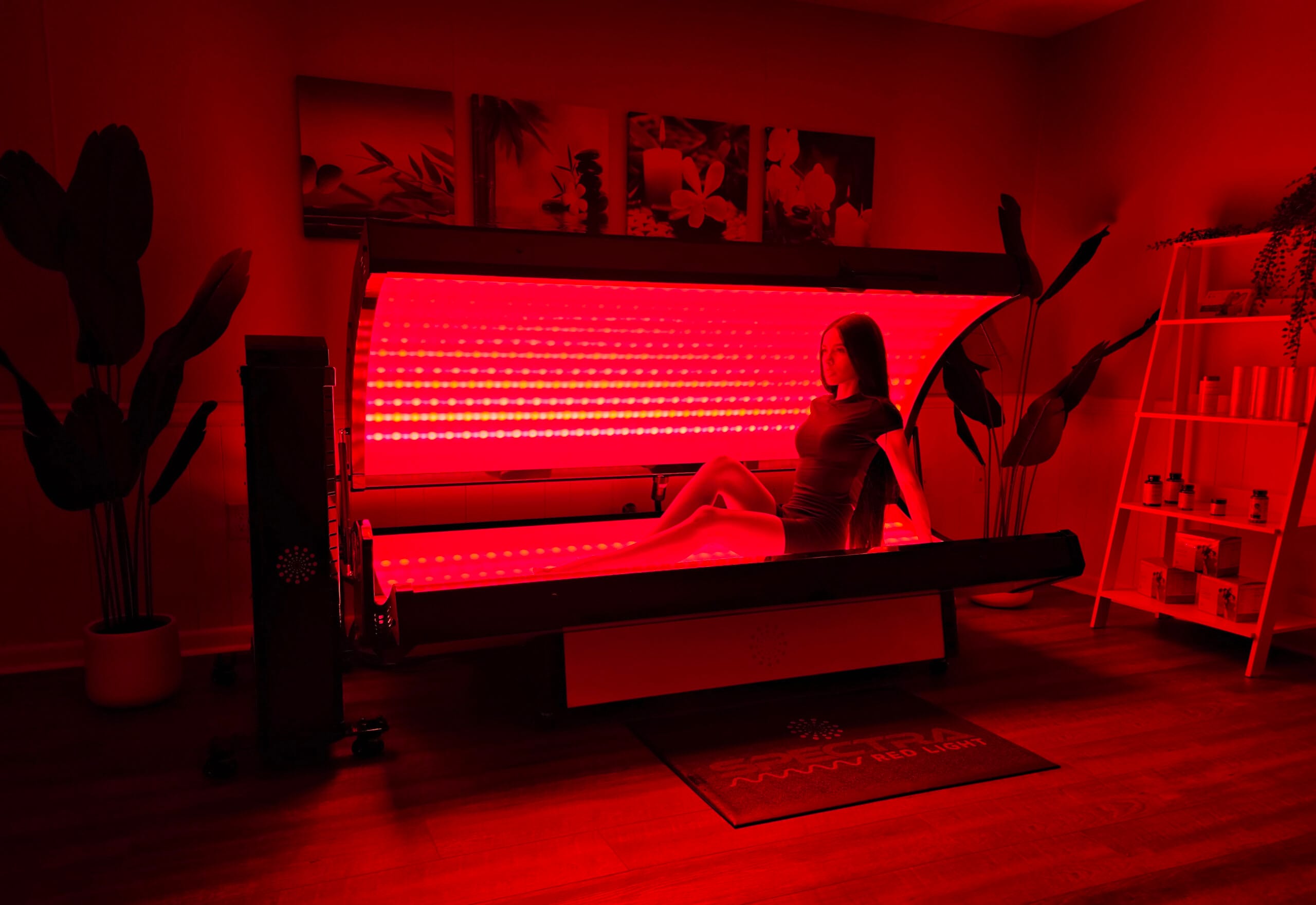
RLT: How Improved Circulation Enhances Mobility
Mobility is one of the key visible signs of overall wellness. The ability to move freely, recover quickly, and stay active depends heavily on how efficiently blood circulates throughout the body. When circulation improves, every part of the body, from the muscles and joints to the smallest connective tissues, benefits from increased energy, oxygen, and nutrient delivery.
Increased Oxygen and Nutrient Delivery
Healthy circulation ensures that muscles and joints receive a steady supply of oxygen and nutrients essential for repair and endurance. Red Light Therapy enhances microvascular perfusion, the flow of blood through tiny capillaries, by stimulating nitric oxide (NO)–mediated vasodilation. When the vessels widen, more oxygenated blood reaches tissues, improving cellular respiration and metabolic efficiency.
This boost in oxygen transport allows muscle fibers to contract more effectively and recover faster after exertion. For individuals struggling with fatigue, stiffness, or slow post-activity recovery, the increased oxygen and nutrient exchange facilitated by Red Light Therapy can lead to dramatic improvements in physical performance and overall mobility.
Reduction in Inflammation
Inflammation is one of the most common barriers to movement, often caused by the buildup of inflammatory cytokines and oxidative stress in the tissues. Red Light Therapy helps regulate these responses by influencing cellular redox signaling and cytokine modulation.
At a physiological level, the therapy balances reactive oxygen species (ROS), molecules that play a dual role in both signaling and inflammation. By keeping ROS at healthy levels, Red Light Therapy promotes tissue healing without triggering excessive inflammation. This leads to reduced swelling, joint stiffness, and physical discomfort.
Collagen and Tissue Repair Stimulation
Mobility also depends on the health and elasticity of connective tissues such as tendons, ligaments, and fascia. Red Light Therapy promotes fibroblast activation, the cells responsible for producing collagen and extracellular matrix (ECM) components that maintain structural integrity.
By increasing fibroblast proliferation and collagen synthesis, Red Light Therapy helps strengthen and restore the flexibility of soft tissues surrounding joints and muscles. This not only supports greater mobility but also reduces the risk of microtears and strain during physical exertion. Over time, tissues become more resilient, and the body begins to maintain a greater range of motion.
Scientific Research and Evidence: RLT Improves Poor Blood Circulation
The effectiveness of red light therapy in supporting circulation and mobility is well-documented across numerous scientific studies. Modern research on photobiomodulation (PBM) continues to demonstrate how specific wavelengths of red and near-infrared light influence cellular metabolism, vascular health, and muscle performance through measurable biological mechanisms.
One study titled “Light stimulation of mitochondria reduces blood glucose levels” highlights the broader systemic benefits of PBM, stating that “PBM with 670 nm light can be used to reduce blood glucose spikes following meals. This intervention may reduce damaging fluctuations of blood glucose on the body.” [2] This finding suggests that red light’s effects extend beyond local tissue support; it can help stabilize metabolic function by enhancing mitochondrial efficiency and vascular glucose uptake. Healthier metabolic control often correlates with improved microcirculatory performance, allowing blood to flow more freely and tissues to receive more consistent oxygen and nutrient delivery.
Another notable study, “Photobiomodulation in human muscle tissue: an advantage in sports performance?”, observed that “PBM can increase muscle mass gained after training, and decrease inflammation and oxidative stress in muscle biopsies.” [3] These results demonstrate how red light therapy not only improves muscular recovery but also helps maintain optimal cellular redox balance, reducing inflammation that often restricts mobility and circulation.
Together, these studies reinforce the scientific foundation behind Red Light Therapy: by activating cytochrome c oxidase in the mitochondria, red and near-infrared wavelengths enhance ATP production, nitric oxide release, and vasodilation, three key physiological processes that improve blood flow and support healthy movement.

Healthy circulation is the foundation of an active, balanced, and mobile life. When blood flow is restricted, the body’s cells are deprived of the oxygen and nutrients they need to function efficiently. Red Light Therapy offers a scientifically supported way to help the body restore this balance from within by stimulating the natural biological processes that drive circulation and mobility.
Whether you are looking to alleviate poor circulation, improve joint flexibility, or simply move with greater ease, this therapy provides a natural, non-invasive way to enhance the body’s regenerative potential. By supporting the body’s natural physiological functions, boosting blood flow, energizing cells, and reducing inflammation, Spectra Red Light Therapy helps you move better, recover faster, and live more vibrantly.
References
[1] You, Y., Wang, Z., Yin, Z. et al. Global disease burden and its attributable risk factors of peripheral arterial disease. Sci Rep 13, 19898 (2023). https://doi.org/10.1038/s41598-023-47028-5
[2] Powner MB, Jeffery G. Light stimulation of mitochondria reduces blood glucose levels. J Biophotonics. 2024 May;17(5):e202300521. doi: 10.1002/jbio.202300521. Epub 2024 Feb 20. PMID: 38378043.
[3]Ferraresi C, Huang YY, Hamblin MR. Photobiomodulation in human muscle tissue: an advantage in sports performance? J Biophotonics. 2016 Dec;9(11-12):1273-1299. doi: 10.1002/jbio.201600176. Epub 2016 Nov 22. PMID: 27874264; PMCID: PMC5167494.