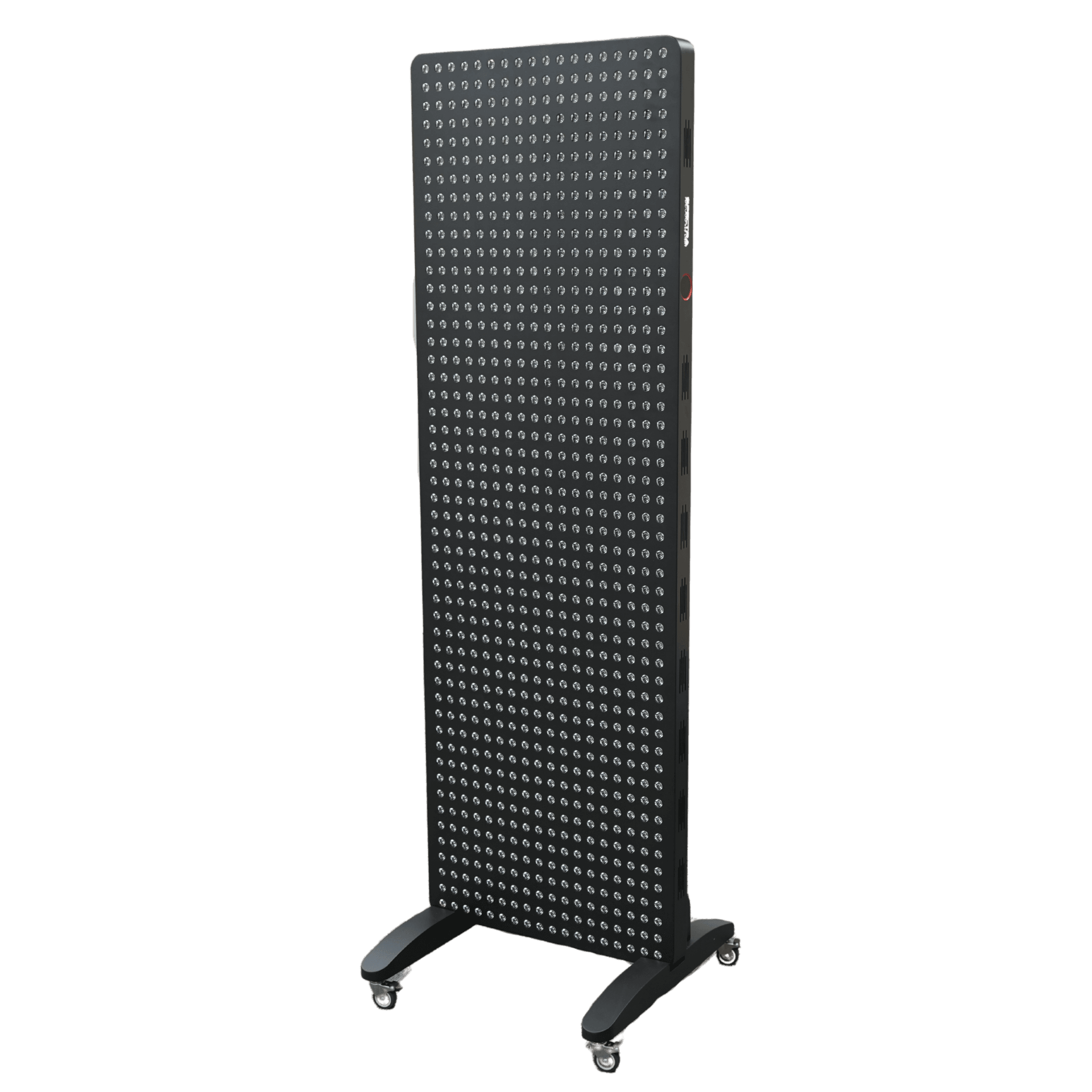

Tinnitus, commonly described as a persistent ringing or buzzing in the ears in the absence of an external sound source, affects a substantial portion of the population, with recent estimates putting its prevalence at 11.2% in adults in large-scale studies [1]. For many, it's a constant disturbance that affects daily life, focus, and emotional well-being. While numerous therapies have been explored over the years to address tinnitus, one emerging and scientifically backed therapy that has captured the attention of both clinicians and patients is Red Light Therapy (RLT).
At its core, RLT leverages the principles of photobiomodulation, a process wherein light energy, particularly from the red and near-infrared spectrum, interacts with cells to enhance their function. This process brings about a range of physiological responses, from mitochondrial stimulation to modulating reactive oxygen species, all of which can play pivotal roles in addressing the underlying mechanisms of tinnitus.
As we look deeper into this topic, we'll explore how the sophisticated interplay of biology and technology offers promise in potentially alleviating the challenges posed by tinnitus. Whether you're new to the concept of RLT or looking for a deeper understanding of its mechanisms, this article aims to shed light on its potential benefits for those plagued by persistent ear noise.
What is Red Light Therapy?
Red Light Therapy (RLT) is a cutting-edge therapeutic technique that utilizes specific wavelengths of light, primarily within the red and near-infrared (NIR) spectrum, to interact with our body's cellular machinery. While the concept of using light for therapeutic purposes isn't new, think of ancient civilizations worshipping the sun for its healing properties, RLT is a refined application that zeroes in on the precise biological responses evoked by these light wavelengths.
At the heart of RLT is the principle of photobiomodulation. This term refers to the ability of light energy to influence cellular behavior. When our skin and underlying tissues are exposed to red and NIR light, a series of fascinating and beneficial physiological processes begin. One of the most notable reactions occurs in our cellular powerhouses, the mitochondria. Here, the light is absorbed by a key enzyme known as cytochrome c oxidase. This absorption boosts the production of adenosine triphosphate (ATP), the primary energy-carrying molecule in our cells. With an increased ATP supply, cells can function more efficiently and repair themselves more effectively.
Exposure to these specific light wavelengths can modulate the levels of reactive oxygen species (ROS) in our cells. While ROS, in excess, can be damaging, a controlled increase, like that prompted by RLT, can trigger antioxidant responses, bolstering the cell's natural defenses against oxidative stress.
In essence, RLT is more than just shining a light on the skin; it's a scientifically-grounded therapy that stimulates our body's innate processes, paving the way for health benefits, including the management of conditions like tinnitus.

The Biological Mechanisms of RLT for Tinnitus
Tinnitus, the perception of phantom sounds in the ears, is a condition surrounded by complex biological intricacies. To appreciate how Red Light Therapy (RLT) may be beneficial for tinnitus, it's essential to delve into the underlying biological mechanisms that RLT taps into.
Photobiomodulation
Photobiomodulation involves the interaction of low levels of red/NIR light with cellular structures. As stated in the study titled "Proposed Mechanisms of Photobiomodulation or Low-Level Light Therapy", "Low levels of red/NIR light can interact with cells, leading to changes at the molecular, cellular, and tissue levels."[2] This interaction has profound implications for cellular health and function.
- Mitochondrial Stimulation: Mitochondria play a pivotal role in energy generation. Within these organelles, a critical enzyme, cytochrome c oxidase, absorbs red and NIR light. This absorption process amplifies the production of adenosine triphosphate (ATP). With heightened ATP, cells gain a boost in energy, allowing for optimized function and regeneration.
- Reactive Oxygen Species (ROS) Modulation and Antioxidant Effects: RLT's interaction with cells modulates ROS levels. Though typically regarded as harmful in large quantities, controlled amounts of ROS are beneficial. RLT induces a controlled rise in ROS, which subsequently activates the cell's natural antioxidant defense systems. This protective mechanism shields the auditory cells from potential oxidative damage, which might contribute to tinnitus.
Neuroprotection and Synaptic Plasticity:
- Neuroprotective Effects: RLT may confer neuroprotection, especially for the delicate auditory neurons that can be vulnerable to damage. By fostering a supportive cellular environment and enhancing energy production, RLT may shield these neurons from degeneration, a possible factor in tinnitus genesis.
- Enhancement of Synaptic Connections: Synaptic plasticity, the ability of synapses to strengthen or weaken over time, plays a role in sensory perceptions, including hearing. RLT might bolster synaptic connections within the auditory pathway, potentially helping to alleviate tinnitus symptoms by modifying neural pathways responsible for phantom sound perception.
Reduction of Inflammation:
- Inflammation and Pro-inflammatory Cytokines: Chronic inflammation, especially within the inner ear, can be a contributing factor to tinnitus. RLT has shown promise in decreasing the levels of pro-inflammatory cytokines, which are signaling molecules that promote inflammation.
- Enhancement of Circulation: By promoting vasodilation and improving microcirculation, RLT can foster a better nutrient supply and waste removal from the auditory tissues. This improved circulation can play a role in reducing inflammation and its associated auditory symptoms.
In light of these intricate biological interactions, RLT offers a promising avenue for tinnitus management, not just by addressing the symptoms, but by targeting some of the root physiological mechanisms that contribute to its onset and persistence.
Clinical Evidence Supporting RLT for Tinnitus
The promise of Red Light Therapy (RLT) in managing tinnitus isn't solely based on its biological and physiological mechanisms; several clinical studies have delved into its practical efficacy. Let's highlight some of the notable findings from these investigations.
Photobiomodulation and Satisfaction Levels: In a study titled "The effects of photobiomodulation therapy in individuals with tinnitus and without hearing loss," researchers sought to understand the effects of Photobiomodulation Therapy (PBMT) on tinnitus patients who had no associated hearing loss. One key observation was that there was an evident improvement in the level of satisfaction among participants who underwent the therapy. As the study succinctly noted, "The group that received PBMT improved the level of satisfaction, regardless of point in time of assessment and number of session."[3] Such findings suggest that RLT could offer tangible relief to tinnitus sufferers, enhancing their quality of life.
Transcranial Photobiomodulation and the Central Nervous System: The central nervous system's involvement in tinnitus has long been a topic of interest. Given the connection between the auditory system and the brain, it's crucial to address both areas when considering therapeutic interventions. A study titled "Transcranial photobiomodulation in the management of brain disorders" underscored this notion. The researchers observed that, "Evidence of central nervous system involvement in tinnitus led us to believe that treatment protocol of tinnitus should also include transcranial PBM."[4] This implies that RLT, especially when applied transcranially, could potentially address the neurological aspects of tinnitus, offering a more holistic approach to management.
Combining RLT with Physical Therapy for Cervicogenic Somatosensory Tinnitus: Cervicogenic somatosensory tinnitus (CST) is a subtype of tinnitus where the cause is attributed to issues within the cervical spine. One intriguing study titled "Effect of adding a supervised physical therapy exercise program to photobiomodulation therapy in the treatment of cervicogenic somatosensory tinnitus: A randomized controlled study" examined the benefits of combining RLT with supervised physical therapy. Their results were encouraging: "Adding a supervised physical therapy exercise program to PBMT showed positive and beneficial effects in the treatment of CST using VAS, THI, and Cervical ROM assessment tools."[5] This suggests that a multifaceted therapeutic approach that includes RLT could enhance outcomes for certain tinnitus subtypes.
Taken together, these studies provide compelling clinical evidence supporting the role of RLT in tinnitus management. While research in this field is ongoing, the existing body of evidence underscores the potential of RLT as a valuable tool in the therapeutic arsenal against tinnitus.

Technical Specifications for Effective RLT
When considering the application of Red Light Therapy (RLT) for any condition, including tinnitus, the efficacy is significantly influenced by the specific technical parameters employed. The physiological responses elicited by RLT are tightly intertwined with the therapy's technical specifics. Let's delve into the primary technical aspects essential for effective RLT for tinnitus.
Wavelengths: The spectrum of light used in RLT is pivotal in determining its therapeutic efficacy. For tinnitus:
- 650nm: This red light wavelength penetrates the skin's superficial layers, interacting with cells and stimulating photobiomodulation processes. Its ability to boost cytochrome c oxidase activity in the mitochondria makes it an integral part of the RLT spectrum for tinnitus.
- 810nm & 860nm: These near-infrared wavelengths penetrate deeper into the tissues, reaching structures such as blood vessels, nerves, and even deeper layers of the skin. Their depth of penetration makes them particularly suited for addressing the physiological aspects related to tinnitus, including neuroprotection and improved circulation.
For a comprehensive list of wavelengths and health benefits, you may visit our Red Light Wavelengths page.
Dosage and Duration:
- Dosage: The amount of energy delivered to the target tissue, often measured in joules/cm^2, is crucial. An optimal dosage ensures that cells are stimulated enough to trigger therapeutic responses without risking cellular damage from overexposure.
- Duration: The exposure time can influence the therapy's overall effect. While a shorter duration might be insufficient to elicit a therapeutic response, overly prolonged exposure might lead to diminishing returns. It's essential to strike a balance, tailoring the duration based on individual response and the therapy's intensity.
To make it easier to calculate session times, visit our Red Light Dosing Calculator.
Treatment Protocols: To achieve the best outcomes using RLT for tinnitus:
- Frequency: Regular sessions, depending on the tinnitus severity and individual response, might be necessary. For some, daily sessions for a few weeks followed by maintenance sessions might be the ideal protocol. Others might benefit from alternate-day therapies.
- Consistency: Like any therapy, consistency is key. Adhering to the prescribed RLT regimen ensures that the cumulative effects of photobiomodulation are realized, providing the best chances for noticeable relief.
In conclusion, the effectiveness of RLT for tinnitus is not merely a product of the therapy itself but also of the technical specifics underpinning its delivery. By adhering to the optimal wavelengths, dosage, duration, and protocols, the potential therapeutic benefits of RLT for tinnitus can be fully harnessed.
Advantages of RLT Over Other Tinnitus Therapies
As the understanding of tinnitus evolves, so do the strategies employed to manage its effects. Red Light Therapy (RLT) has emerged as an innovative approach, and when juxtaposed against traditional tinnitus therapies, it presents several distinct advantages rooted in its biological, scientific, and technical foundations.
Non-Invasive and Safe:
RLT operates at wavelengths that do not damage tissues. Instead, it harnesses the process of photobiomodulation, wherein cells are stimulated to enhance their natural functions without causing harm.
Modern RLT devices are designed to deliver precise wavelengths, ensuring the targeted biological response without the risk of overexposure.
Targeted Physiological Mechanism of Action:
RLT influences the mitochondrial enzyme cytochrome c oxidase, enhancing ATP production. This energy boost supports cellular functions and regeneration, addressing some root causes of tinnitus.
By modulating reactive oxygen species, RLT bolsters cellular antioxidant defenses, which can be crucial in protecting auditory cells from oxidative damage.
Holistic Approach:
Beyond targeting the ear's cellular structures, RLT's benefits extend to the nervous system. This holistic approach may offer advantages in managing tinnitus symptoms linked to both the auditory system and the brain.
RLT's capacity to reduce pro-inflammatory cytokines and enhance circulation addresses inflammation, a potential contributor to some tinnitus cases.
Adaptability and Customizability:
RLT sessions can be adapted based on individual needs, ensuring personalized care.
The therapy can be used in conjunction with other interventions, allowing for a multifaceted approach to tinnitus management.
Reduces Dependency on Medications:
While medications can offer relief, they often come with side effects. RLT provides an alternative avenue for relief, potentially reducing the dependency on pharmacological interventions.
Improved Quality of Life:
Early clinical evidence suggests a notable improvement in patient satisfaction post-RLT, emphasizing its potential in enhancing the overall quality of life for tinnitus sufferers.
The advantages of RLT over traditional tinnitus therapies are multifaceted, ranging from its non-invasive nature to its targeted physiological actions. As research continues to unfold, RLT stands out as a promising therapy, offering a harmonious blend of science, technology, and biology in the quest for tinnitus relief.

In the ever-evolving landscape of tinnitus management, Red Light Therapy (RLT) is carving out a distinctive place, showcasing its potency as a therapeutic modality grounded in robust biological, scientific, and technical principles. Through the intricate process of photobiomodulation, RLT engages with cells, tissues, and neural pathways, offering a tailored approach that bridges the intricacies of our body's physiological responses with the precision of modern technology.
The promise of RLT lies not just in its direct interaction with cellular structures but in its capacity to modulate broader physiological systems, from enhancing mitochondrial ATP production to fortifying neural plasticity and reducing inflammation. These multifaceted actions reflect a deep understanding of the underpinnings of tinnitus and provide a comprehensive strategy to address its varied manifestations.
What's more, RLT offers a non-invasive, adaptable, and customizable approach, catering to individual needs and providing an avenue for holistic well-being. As we continue to decipher the complexities of tinnitus, it is therapies like RLT, which seamlessly blend science with practical application, that will lead the way in offering respite to those affected.
In a realm where the pursuit of relief can sometimes feel elusive, Red Light Therapy emerges as a beacon of hope, drawing upon the harmonious convergence of biology, science, and technology to illuminate a path towards better auditory health.
References
[1] Tinnitus prevalence, associated characteristics, and related healthcare use in the United States: a population-level analysis
Batts, Shelley et al.
The Lancet Regional Health – Americas, Volume 29, 100659
[2] de Freitas LF, Hamblin MR. Proposed Mechanisms of Photobiomodulation or Low-Level Light Therapy. IEEE J Sel Top Quantum Electron. 2016 May-Jun;22(3):7000417. doi: 10.1109/JSTQE.2016.2561201. PMID: 28070154; PMCID: PMC5215870.
[3] Silva MR, Scheffer AR, de Assunção Bastos RS, Chavantes MC, Mondelli MFCG. The effects of photobiomodulation therapy in individuals with tinnitus and without hearing loss. Lasers Med Sci. 2022 Dec;37(9):3485-3494. doi: 10.1007/s10103-022-03614-z. Epub 2022 Aug 10. PMID: 35947315.
[4] Montazeri K, Farhadi M, Fekrazad R, Akbarnejad Z, Chaibakhsh S, Mahmoudian S. Transcranial photobiomodulation in the management of brain disorders. J Photochem Photobiol B. 2021 Aug;221:112207. doi: 10.1016/j.jphotobiol.2021.112207. Epub 2021 May 5. PMID: 34119804.
[5] Eladl HM, Elkholi SM, Eid MM, Abdelbasset WK, Ali ZA, Bahey El-Deen HA. Effect of adding a supervised physical therapy exercise program to photobiomodulation therapy in the treatment of cervicogenic somatosensory tinnitus: A randomized controlled study. Medicine (Baltimore). 2022 Aug 5;101(31):e29946. doi: 10.1097/MD.0000000000029946. PMID: 35945770; PMCID: PMC9351917.