
According to population health research data from the Centers for Disease Control and Prevention, “Nearly one in three adults reported persistent fatigue or low energy that interferes with daily functioning, often accompanied by difficulty concentrating and reduced mental clarity”[1]. This study reflects the increasing physiological burdens of modern life, high stress exposure, disrupted sleep cycles, metabolic inefficiency, and intense cognitive demand, each of which places significant strain on the body’s energy levels, causing tension in both the physical and mental patterns of the human system.
At the biological level, both physical energy and cognitive focus are driven by cellular metabolism, particularly within the mitochondria. When mitochondrial efficiency declines, adenosine triphosphate (ATP) production becomes impaired, leading to physical fatigue, slowed neural processing, and decreased mental capacity. Over time, the impaired ATP begins contributing to increased oxidative stress, neuroinflammatory signaling, and suboptimal cerebral blood flow, factors that are closely associated with mental fog and low energy levels.
Red Light Therapy is one of the most accurate and effective approaches to clinically-based, non-invasive healing support. By delivering specific wavelengths of red and near-infrared light to biological tissues, Red Light Therapy interacts directly with photoreceptive molecules inside the mitochondria. The results are improved mitochondrial respiration, stronger ATP synthesis, and more efficient cellular energy utilization.
Cognitive Focus and Neural Signaling Support
Cognitive focus is not simply a matter of motivation; it is fundamentally dependent on the efficiency of neural signaling. Every thought, decision, and sustained attention task relies on rapid electrochemical communication between neurons. This task is highly dependent on energy levels. When cellular energy declines, neural transmission becomes less efficient, often resulting in slowed thinking, reduced concentration, or mental overstimulation.
Neurotransmission requires a continuous supply of adenosine triphosphate (ATP) to maintain ion gradients across neuronal membranes, support synaptic vesicle release, and fuel reuptake mechanisms at the synapse. Red Light Therapy assists this process by supporting mitochondrial function within neurons and glial cells. Through photonic absorption, red and near-infrared wavelengths improve electron transport chain efficiency, leading to increased ATP synthesis and more stable neuronal energy reserves.
Red Light Therapy can help modulate intracellular calcium signaling and reduce metabolic bottlenecks that interfere with neural communication. By supporting the bioenergetic foundation of the brain rather than overstimulating the nervous system, this approach aligns with a more sustainable model of cognitive performance, one rooted in cellular efficiency and neurological resilience rather than the more commonly known short-term stimulations.
The Science: Red Light Therapy at the Cellular Level
Mental stress and low energy often originate at the cellular level, where energy is produced, and stress responses are regulated. When the body is under prolonged mental or emotional strain, cells begin to become less efficient at producing the energy needed to support clear thinking, emotional balance, and sustained focus. This begins to result in persistent fatigue, mental fog, and reduced cognitive resilience.
Red Light Therapy works by supporting the cell’s natural ability to produce and manage energy more efficiently. When specific wavelengths of red and near-infrared light reach the body’s tissues, they stimulate cellular structures responsible for energy generation. This process helps cells create more usable energy, allowing them to better meet the demands placed on the brain during periods of high stress or prolonged mental activity.
As cellular energy levels improve, the body becomes better equipped to manage stress-related biochemical signals. Cells with adequate energy reserves are more capable of maintaining balance, repairing daily wear, and responding to environmental stressors without becoming overwhelmed. This improved energy efficiency quickly reinforces the healthy cellular activity needed.
Through consistent use, Red Light Therapy supports a cellular environment that promotes calm, sustained energy, and cognitive clarity. This foundational support makes it a compelling option for individuals seeking relief from mental stress and low energy in a way that aligns with the body’s natural biological rhythms. Explore our range of top quality devices on our Products Page.
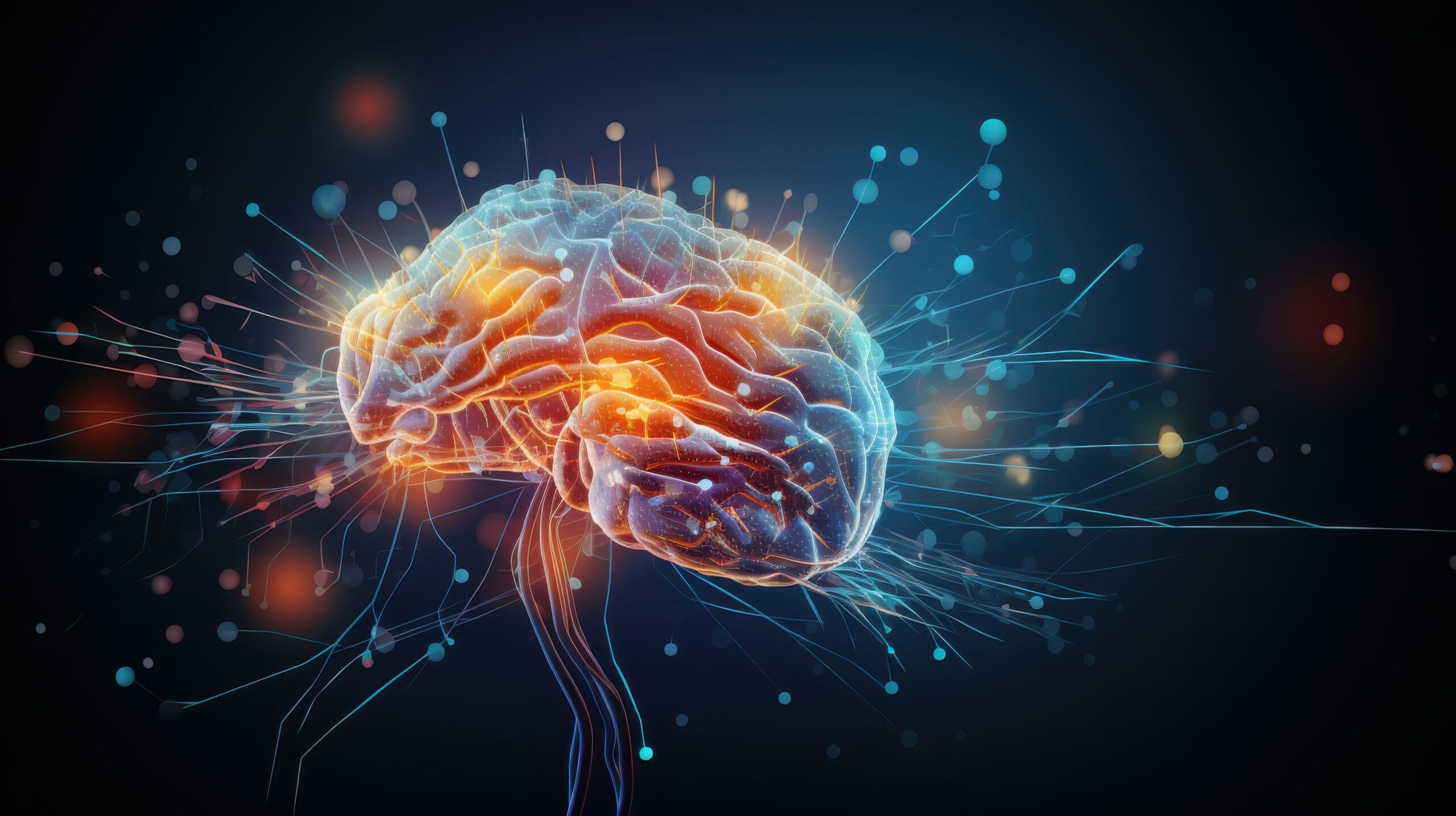
RLT Focus Areas: Brain Energy Metabolism, Cellular Stress, and Cerebral Blood Flow
The brain is one of the most energy-demanding organs in the body, consuming a disproportionate share of available oxygen and metabolic resources. Even subtle disruptions in energy production, circulation, or cellular balance can quickly translate into mental fatigue, difficulty concentrating, and reduced cognitive stamina. For this reason, brain energy metabolism, oxidative stress regulation, and blood flow are deeply interconnected processes that collectively shape mental performance and resilience.
When brain cells struggle to produce sufficient energy, metabolic byproducts can accumulate, leading to oxidative stress and low-grade neuroinflammation. These processes place additional strain on neurons and supporting glial cells, hindering efficient communication and increasing susceptibility to mental burnout. This cycle can quickly lead to brain fog, emotional tension, and cognitive overload, particularly during periods of high cognitive demand.
Red Light Therapy supports this system by helping brain cells operate in a more energetically efficient state. Improved cellular energy allows neurons to better regulate oxidative byproducts, reducing unnecessary stress signaling, resulting in a healthier internal environment. This balanced cellular state is critical for maintaining mental clarity, emotional steadiness, and sustained focus throughout your day.
Circulation also plays a vital role here. Red Light Therapy has been shown to influence nitric oxide signaling, a key regulator of blood vessel tone and microcirculation. By supporting nitric oxide availability, red and near-infrared light help promote healthier cerebral blood flow, allowing oxygen and nutrients to reach brain tissue more effectively while supporting the removal of metabolic waste.
Together, improved energy metabolism, reduced cellular stress, and enhanced blood flow create a more supportive environment for brain function. Rather than overstimulating the nervous system, Red Light Therapy works at a foundational level, helping the brain meet its energy needs, manage stress more efficiently, and maintain cognitive performance in a more balanced way.
Advancing Cognitive Wellness Through Red Light Therapy
As interest in Red Light Therapy continues to expand, its credibility increasingly rests on a growing body of clinical research exploring how photobiomodulation influences brain function across different populations and neurological conditions. This research-driven foundation is essential, not only for understanding if Red Light Therapy truly affects cognitive performance, but also how and why it does so at the biological level.
Clinical studies examining cognitive outcomes consistently point to improvements in executive function, mental flexibility, and attentional control, capabilities closely tied to frontal brain regions responsible for decision-making, focus, and stress regulation. In one controlled investigation involving older adults, researchers observed that “specifically, only the older adults who received real PBM exhibited significant improvements in their action selection, inhibition ability, and mental flexibility after vs before PBM. Our findings support that PBM may enhance the frontal brain functions of older adults in a safe and cost-effective manner.”[2] These findings highlight how targeted light exposure may support higher-order cognitive processes that often decline with age or prolonged mental strain.
Broader analyses reinforce these results. A systematic review examining transcranial photobiomodulation reported that “of the 35 studies identified, 29 (82.9%) studies reported positive improvement in cognitive functions after tPBM.”[3] Notably, every study involving individuals with subjective memory complaints, mild cognitive impairment, or dementia demonstrated positive outcomes, along with a high proportion of studies involving traumatic brain injury. This level of consistency across diverse neurological contexts underscores the relevance of photobiomodulation as a supportive approach for cognitive resilience and mental performance.
At the cellular level, research further clarifies the underlying mechanisms driving these cognitive benefits. Experimental data indicate that photobiomodulation supports mitochondrial integrity and cellular survival pathways within neural tissue. One study on Photobiomodulation for Global Cerebral Ischemia concluded that “PBM post-treatment has robust beneficial effects upon mitochondrial health, fragmentation and apoptosome signaling that is associated with significantly enhanced neuronal survival and preservation of cognitive function.”[4] These findings connect improved cognitive outcomes directly to healthier brain energy systems and reduced cellular stress.
Together, this growing body of clinical evidence positions Red Light Therapy as more than a theoretical wellness trend. It reflects an increasingly well-documented approach grounded in biological plausibility, measurable cognitive outcomes, and cellular-level support. As research continues to evolve, light-based therapy is becoming an important part of the broader conversation around sustaining energy, focus, and cognitive health through science-aligned, non-invasive strategies.
Supporting Daily Focus and Energy with Red Light Therapy
Sustained focus and consistent energy patterns are essential for navigating daily responsibilities, yet individuals are increasingly experiencing mental fatigue at a concerning rate. Rather than relying on stimulants that temporarily calm the nervous system, Red Light Therapy offers an approach that works with the brain’s natural energy systems to ultimately enable clearer thinking and more consistent cognitive endurance.
By improving cellular energy availability in brain tissue, Red Light Therapy helps the brain operate more efficiently during cognitively demanding tasks. When neurons have sufficient energy, they are better able to maintain attention, process information, and respond to stress without becoming overwhelmed. This foundational support can make it easier to stay mentally engaged throughout the day, whether during focused work, learning, or decision-making.

RLT: An Effective Approach to Increasing Energy Levels and Mental Performance
Improving energy levels and cognitive focus is not simply about pushing the brain harder; it’s about supporting the biological systems that allow it to function efficiently over time. Red Light Therapy works at a foundational level by supporting cellular energy production, reducing stress-related strain within the brain tissue, and promoting healthier circulation and oxygen delivery. Together, these mechanisms help create the conditions necessary for steadier focus and consistent mental energy.
One of the strengths of Red Light Therapy is its flexibility and ease of integration into everyday life. Many individuals incorporate sessions into existing wellness routines, such as morning use to support mental readiness, or consistent daily use to help maintain cognitive endurance over time. Rather than acting as a short-term boost, this approach emphasizes consistency, allowing the cumulative cellular benefits to build gradually.
Appropriate wavelength selection, thoughtful timing, and regular use are key considerations when integrating Red Light Therapy into a wellness plan. When applied with intention, it can complement other healthy habits such as quality sleep, balanced nutrition, and stress management, supporting the brain from multiple angles rather than relying on a single intervention.
Red Light Therapy stands out for its ability to support energy and focus by working with the body’s natural biology. By addressing mental fatigue and low energy at the cellular roots, Red Light Therapy offers a simplistic option for those seeking lasting cognitive clarity and vitality as part of a proactive, long-term approach to brain health.
References
[1]QuickStats: Percentage* of adults aged ≥18 years who felt very tired or exhausted most days or every day in the past 3 months,† by sex and age group — National Health Interview Survey,§ United States, 2022. (2023). MMWR Morbidity and Mortality Weekly Report, 72(45), 1248. https://doi.org/10.15585/mmwr.mm7245a7
[2]Chan AS, Lee TL, Yeung MK, Hamblin MR. Photobiomodulation improves the frontal cognitive function of older adults. Int J Geriatr Psychiatry. 2019 Feb;34(2):369-377. doi: 10.1002/gps.5039. Epub 2018 Dec 10. PMID: 30474306; PMCID: PMC6333495.
[3]Lee TL, Ding Z, Chan AS. Can transcranial photobiomodulation improve cognitive function? A systematic review of human studies. Ageing Res Rev. 2023 Jan;83:101786. doi: 10.1016/j.arr.2022.101786. Epub 2022 Nov 9. PMID: 36371017.
[4]Wang R, Dong Y, Lu Y, Zhang W, Brann DW, Zhang Q. Photobiomodulation for Global Cerebral Ischemia: Targeting Mitochondrial Dynamics and Functions. Mol Neurobiol. 2019 Mar;56(3):1852-1869. doi: 10.1007/s12035-018-1191-9. Epub 2018 Jun 27. PMID: 29951942; PMCID: PMC6310117.