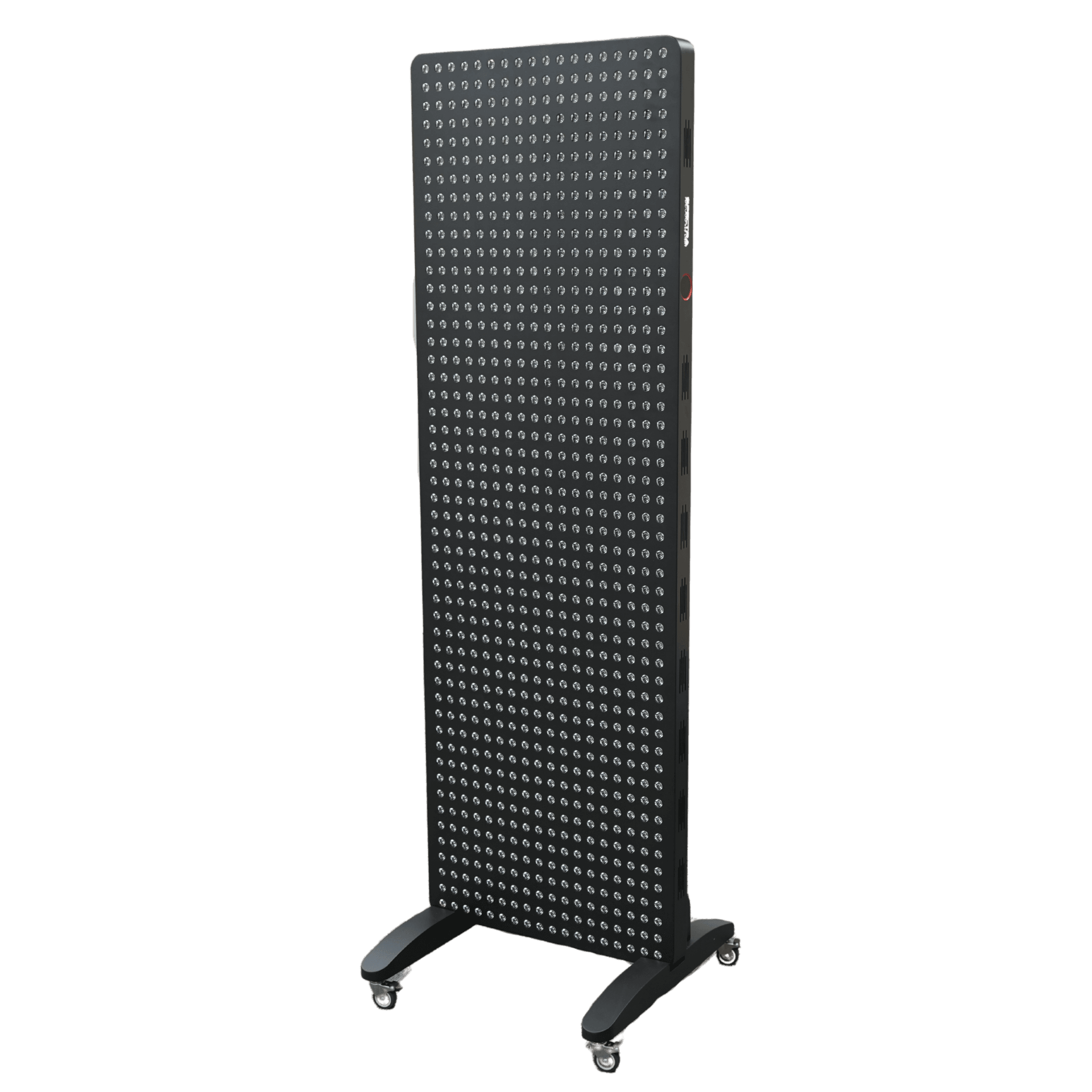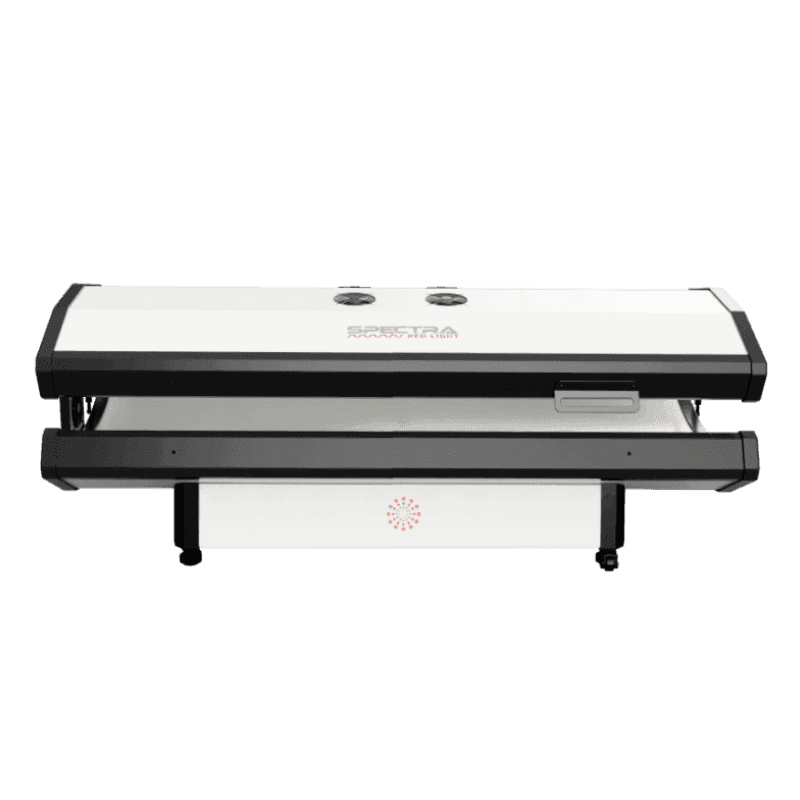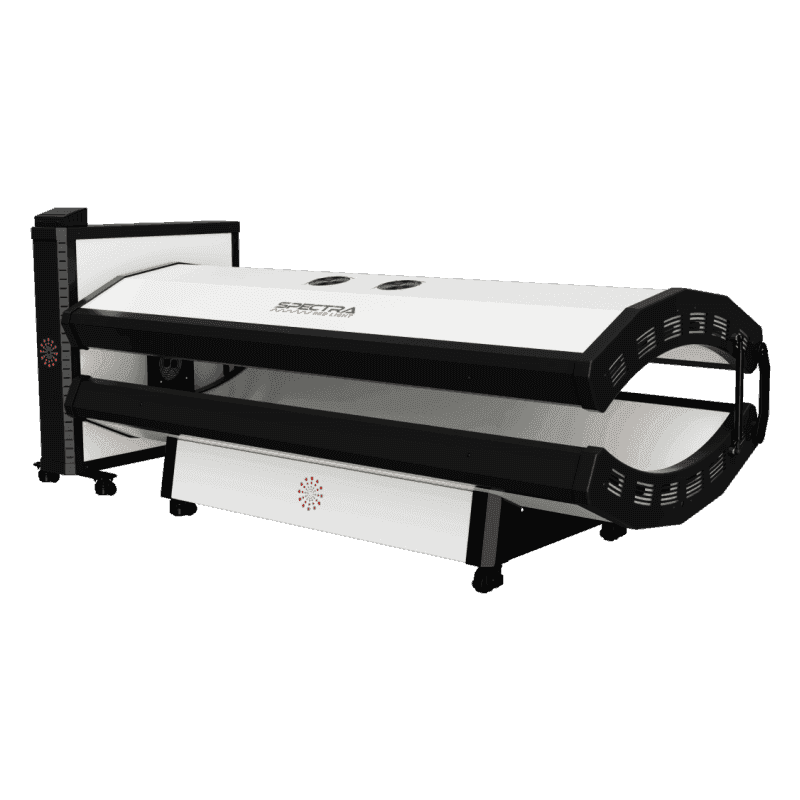

Sciatica is one of the most common forms of neuropathic pain, affecting millions of individuals worldwide. Research suggests that the lifetime incidence of sciatica ranges from approximately 10% to 40% of the population, making it a significant cause of pain, disability, reduced mobility, and diminished quality of life.[1,2] Sciatica typically occurs when the sciatic nerve or its associated lumbar nerve roots become compressed, irritated, or inflamed, resulting in pain that radiates from the lower back through the buttocks and down the leg. In many cases, symptoms may also include numbness, tingling sensations, muscle weakness, and altered nerve function.
As interest in non-invasive wellness technologies continues to grow, Red Light Therapy, also known as Photobiomodulation (PBM), has emerged as a promising approach for supporting individuals experiencing sciatic nerve discomfort. Unlike interventions that primarily focus on masking symptoms, Red Light Therapy works at the cellular level by delivering specific wavelengths of red and near-infrared light that interact directly with biological tissues and cellular photoreceptors.
The primary physiological target of Red Light Therapy is the mitochondria, often referred to as the energy-producing centers of the cell. Photons within therapeutic wavelengths are absorbed by the mitochondrial enzyme Cytochrome C Oxidase (CCO), a key component of the electron transport chain responsible for cellular respiration. This interaction enhances mitochondrial function, promotes Adenosine Triphosphate (ATP) production, and supports cellular bioenergetics. Increased ATP availability provides cells with the energy required for tissue repair, regeneration, and the maintenance of normal physiological processes.
In addition to supporting mitochondrial activity, Red Light Therapy has been shown to influence several biological pathways associated with sciatic nerve irritation. Photobiomodulation can promote the photodissociation of nitric oxide from Cytochrome C Oxidase, leading to vasodilation and improved microcirculation. Enhanced blood flow may help increase oxygen delivery, nutrient transport, and metabolic waste removal within affected tissues. This improved circulation can be particularly beneficial in areas experiencing localized inflammation, edema, or impaired tissue recovery.
Another important mechanism involves the modulation of inflammatory signaling pathways. Sciatica is often associated with elevated levels of pro-inflammatory cytokines, including Tumor Necrosis Factor Alpha (TNF-α), Interleukin-1 Beta (IL-1β), and Interleukin-6 (IL-6), which contribute to nerve sensitization and pain signaling. Red Light Therapy has demonstrated the ability to help regulate these inflammatory mediators while supporting a more balanced cellular environment. By reducing neuroinflammation surrounding irritated nerve roots and adjacent tissues, Photobiomodulation may help support greater comfort and improved mobility.
Red Light Therapy may also support nerve health through mechanisms related to neuroprotection and neural repair. Research has shown that Photobiomodulation can influence cellular signaling pathways involved in axonal regeneration, Schwann cell activity, tissue remodeling, and nerve recovery. These physiological responses may contribute to improved nerve function and help support the body's natural healing processes following nerve irritation or compression.
For individuals seeking a non-invasive option to support comfort, mobility, and overall wellness, Red Light Therapy represents a scientifically grounded approach that addresses several of the biological factors associated with sciatica. Through its effects on cellular energy production, circulation, inflammation modulation, and tissue recovery, Photobiomodulation continues to attract attention as a valuable component of modern wellness strategies for sciatic nerve health
Supporting Sciatic Nerve Health With Red Light Therapy
Sciatica is often associated with a combination of nerve compression, inflammation, impaired circulation, muscle tension, and cellular stress. Because these factors can work together to contribute to pain and reduced mobility, supporting the body's natural recovery processes requires a multifaceted approach. Red Light Therapy, also known as Photobiomodulation (PBM), has attracted significant attention for its ability to influence several of these underlying physiological mechanisms simultaneously.
One of the primary ways Red Light Therapy may benefit individuals experiencing sciatica is through its ability to help regulate neuroinflammation. When a lumbar nerve root or the sciatic nerve becomes irritated, the body responds by releasing pro-inflammatory cytokines such as Tumor Necrosis Factor Alpha (TNF-α), Interleukin-1 Beta (IL-1β), and Interleukin-6 (IL-6). While inflammation is a natural part of the healing process, excessive or prolonged inflammatory activity can increase nerve sensitivity and contribute to ongoing discomfort. Photobiomodulation has been shown to modulate inflammatory signaling pathways, helping to create a more balanced cellular environment that supports normal tissue function and recovery.
Red Light Therapy may also help support healthy nerve function and regeneration. Research suggests that specific wavelengths of red and near-infrared light can stimulate cellular pathways involved in nerve repair, including Schwann cell activity, axonal regeneration, and neuroprotective signaling mechanisms. Schwann cells play a critical role in maintaining and repairing peripheral nerves by supporting the myelin sheath that surrounds nerve fibers. By enhancing cellular energy production and supporting tissue remodeling processes, Photobiomodulation may help promote an environment conducive to nerve recovery and improved neural communication.
Another important benefit involves the enhancement of cellular energy production. The therapeutic light energy delivered during Red Light Therapy is absorbed by Cytochrome C Oxidase, a photoacceptor located within the mitochondria. This interaction stimulates the electron transport chain, leading to increased production of Adenosine Triphosphate (ATP), the primary energy currency of the cell. Higher ATP availability supports numerous biological processes involved in tissue repair, cellular maintenance, and recovery from physiological stress. For tissues affected by inflammation, compression, or reduced circulation, improved cellular energy production may help optimize the body's natural healing capacity.
Improved circulation is another mechanism that may contribute to the benefits of Red Light Therapy for sciatica. Photobiomodulation promotes the release of nitric oxide, a signaling molecule that supports vasodilation and healthy blood vessel function. As blood vessels relax and expand, microcirculation can improve, increasing the delivery of oxygen and nutrients to affected tissues while facilitating the removal of metabolic waste products. Enhanced circulation may help support tissue recovery in the lower back, gluteal region, and along the path of the sciatic nerve.
Many individuals with sciatica also experience significant muscle tightness and guarding, particularly in the lower back, hips, and piriformis muscle. As discomfort develops, surrounding muscles often contract in an attempt to stabilize the affected area, which can create additional tension and restrict movement. By supporting circulation, reducing inflammatory activity, and improving cellular metabolism, Red Light Therapy may help promote muscle relaxation and greater flexibility, allowing individuals to move more comfortably and confidently.
Pain perception itself may also be influenced by Photobiomodulation. Studies suggest that Red Light Therapy can help modulate nociceptive activity, the biological process responsible for transmitting pain signals to the brain. Through its effects on inflammation, oxidative stress, neural signaling, and cellular energy production, Photobiomodulation may help reduce the sensitization of irritated nerve tissues and support a more comfortable recovery process
While every individual responds differently, the growing body of research surrounding Red Light Therapy highlights its potential to support several key biological factors associated with sciatica. By enhancing mitochondrial function, promoting circulation, regulating inflammatory pathways, supporting nerve health, and encouraging tissue recovery, Red Light Therapy offers a scientifically grounded and non-invasive approach for individuals seeking to improve comfort, mobility, and overall quality of life. To learn more about our variety of products, visit our Spectra Red Light Products Page.

Why Near Infrared Light Plays a Critical Role in Supporting Sciatica
When discussing Red Light Therapy for sciatica, one of the most important considerations is the wavelength of light being delivered. While visible red light provides numerous biological benefits, Near Infrared (NIR) light is particularly valuable for supporting deeper tissues involved in sciatic nerve discomfort. Because sciatica often originates from structures located beneath the skin and muscle layers, the ability of therapeutic light to reach these deeper anatomical targets is a key factor in the effectiveness of Photobiomodulation.
Deeper Tissue Penetration
Near Infrared wavelengths, typically ranging from approximately 810 nm to 980 nm, possess unique optical properties that allow them to penetrate deeper into biological tissues compared to visible red light. As light enters the body, it encounters various chromophores, molecules that absorb specific wavelengths of light. Visible red light is readily absorbed by superficial tissues, while near-infrared light experiences less absorption and scattering in the skin, enabling a greater percentage of photons to reach deeper muscles, connective tissues, blood vessels, and neural structures.
This deeper penetration is especially important because the sciatic nerve is the largest peripheral nerve in the body and lies beneath multiple layers of tissue. In many cases, sciatic symptoms originate from compression or irritation of nerve roots in the lumbar spine, inflammation surrounding the nerve pathway, or tension within deeper muscles such as the piriformis. Near Infrared light is uniquely positioned to support these structures by delivering photonic energy to tissues that may be beyond the reach of shorter wavelengths alone.
Supporting Cellular Energy Production
Once absorbed by cellular photoacceptors, particularly Cytochrome C Oxidase within the mitochondria, Near-Infrared light initiates a cascade of biological responses. This process enhances mitochondrial respiration, increases Adenosine Triphosphate (ATP) production, and supports cellular bioenergetics. Because nerve cells and supporting tissues require substantial amounts of energy to maintain normal function and recovery processes, improved ATP production may help optimize the body's natural ability to repair and maintain healthy tissue.
Enhancing Circulation and Oxygen Delivery
Near Infrared light also supports healthy circulation through the release of nitric oxide, a signaling molecule involved in vascular function. This process promotes vasodilation, allowing blood vessels to expand and improve microcirculation within deeper tissues. Enhanced blood flow helps deliver oxygen and nutrients while facilitating the removal of metabolic byproducts that can accumulate in areas affected by inflammation or tissue stress. For individuals experiencing sciatica, improved circulation may support recovery within the lower back, gluteal region, and along the path of the sciatic nerve.
Helping Regulate Inflammation
Another important advantage of Near Infrared light is its ability to influence inflammatory pathways in deeper tissues. Sciatica is frequently associated with neuroinflammation and the release of pro-inflammatory cytokines that can increase nerve sensitivity and discomfort. Photobiomodulation has been shown to help modulate these inflammatory mediators while supporting cellular homeostasis and tissue recovery. By helping to create a healthier physiological environment around affected nerves and surrounding structures, Near Infrared light may contribute to improved comfort and mobility.
Reaching the Source of Sciatic Discomfort
For this reason, many of the most advanced Red Light Therapy systems incorporate both visible red and Near Infrared wavelengths. While red light supports superficial tissues, skin health, and capillary circulation, Near Infrared light extends the therapeutic reach into muscles, connective tissues, and neural structures where many of the underlying factors contributing to sciatica originate. Together, these wavelengths create a comprehensive Photobiomodulation approach that supports cellular energy production, circulation, inflammation modulation, and tissue recovery throughout multiple layers of the body.
Because sciatica often involves deeper anatomical structures rather than superficial tissues alone, Near Infrared light is considered one of the most important components of a comprehensive Red Light Therapy strategy. Its ability to penetrate deeper, support mitochondrial function, enhance circulation, and influence biological pathways associated with inflammation and nerve health makes it particularly valuable for individuals seeking to support comfort, mobility, and overall sciatic nerve wellness.
What Research Reveals About Red Light Therapy and Nerve Pain
Research on Red Light Therapy, also known as Photobiomodulation Therapy (PBMT), continues to show promising benefits for pain, inflammation, circulation, and nerve-related recovery. While sciatica has multiple possible causes, including lumbar disc irritation, nerve root compression, piriformis tension, and inflammation along the sciatic nerve pathway, the biological mechanisms studied in PBMT research are highly relevant to sciatic nerve discomfort.
A scientific review titled Low-intensity LASER and LED (photobiomodulation therapy) for pain control of the most common musculoskeletal conditions stated: “We observed that the photobiomodulation therapy offers a non-invasive, safe, drug-free, and side-effect-free method for pain relief of both acute and chronic musculoskeletal conditions as well as fibromyalgia.” [3]This is important for individuals with sciatica because sciatic pain often involves both musculoskeletal stress and nerve irritation. By supporting pain modulation, reducing inflammatory activity, and improving cellular function, Red Light Therapy may help create a healthier environment for comfort and mobility.
From a physiological perspective, PBMT works by delivering red and near-infrared photons into biological tissues, where they are absorbed by cellular chromophores, especially Cytochrome C Oxidase within the mitochondria. This interaction supports mitochondrial respiration, enhances electron transport chain activity, and increases Adenosine Triphosphate (ATP) production. Since ATP is the primary energy source for cellular repair and normal tissue function, this bioenergetic effect may help support recovery in muscles, connective tissues, and irritated neural structures involved in sciatica.
Research also suggests that Photobiomodulation may play a role in nerve repair and vascular support. A narrative review titled Photobiomodulation and Vascularization in Conduit-Based Peripheral Nerve Repair noted that “…whereas photobiomodulation therapy (PBMT) has demonstrated beneficial therapeutic effects on regenerating nerve cells and neovascularization.”[4] This is especially relevant because healthy nerve recovery depends not only on nerve cell function, but also on adequate blood vessel formation, oxygen delivery, and nutrient transport. Neovascularization, the formation of new blood vessels, can help support tissue repair and metabolic activity around healing nerves.
For sciatica, these findings are encouraging because irritated nerves are often affected by inflammation, reduced microcirculation, oxidative stress, and impaired cellular metabolism. Red Light Therapy may help regulate pro-inflammatory cytokines such as Tumor Necrosis Factor Alpha (TNF-α), Interleukin-1 Beta (IL-1β), and Interleukin-6 (IL-6), which are associated with neuroinflammation and increased nerve sensitivity. PBMT may also support nitric oxide release, vasodilation, improved microcirculation, and oxygenation, all of which are important for tissues surrounding the lumbar spine, gluteal region, and sciatic nerve pathway.
Although more research specifically focused on sciatica is still needed, existing studies on musculoskeletal pain, peripheral nerve repair, inflammation modulation, and vascularization provide a strong scientific foundation for understanding how Red Light Therapy may support sciatic nerve health. By helping improve cellular energy production, circulation, inflammatory balance, and nerve-related recovery processes, Red Light Therapy offers a professional, non-invasive, and science-based approach for individuals seeking greater comfort, improved mobility, and better quality of life.

Sciatica can be a challenging condition that affects mobility, comfort, physical performance, and overall quality of life. Whether symptoms originate from nerve root compression, disc-related irritation, inflammation, muscle tension, or a combination of these factors, the underlying physiological processes often involve neuroinflammation, impaired circulation, oxidative stress, and disrupted cellular function. As scientific understanding of Photobiomodulation continues to grow, Red Light Therapy has emerged as a promising non-invasive approach for supporting many of the biological mechanisms associated with sciatic nerve discomfort.
Research suggests that Red Light Therapy works at the cellular level by stimulating Cytochrome C Oxidase within the mitochondria, enhancing mitochondrial respiration and increasing Adenosine Triphosphate (ATP) production. This increase in cellular energy supports tissue repair, cellular metabolism, and the normal physiological functions required for recovery. At the same time, Photobiomodulation has demonstrated the ability to influence inflammatory signaling pathways, helping regulate pro-inflammatory cytokines such as Tumor Necrosis Factor Alpha (TNF-α), Interleukin-1 Beta (IL-1β), and Interleukin-6 (IL-6), which are commonly associated with nerve irritation and discomfort.
The benefits extend beyond cellular energy production. Red Light Therapy may support nitric oxide release, vasodilation, and improved microcirculation, allowing greater delivery of oxygen and nutrients to affected tissues while assisting with metabolic waste removal. These physiological effects can help create a healthier environment for nerve function, tissue recovery, and overall musculoskeletal wellness. Research has also highlighted the potential role of Photobiomodulation in supporting nerve regeneration, neuroprotection, and neovascularization, processes that are essential for maintaining healthy peripheral nerves and surrounding tissues.
For individuals seeking a science-based wellness strategy, Red Light Therapy offers a unique combination of biological benefits that address many of the factors commonly associated with sciatica. By supporting mitochondrial function, circulation, inflammatory balance, cellular repair, and nerve health, Photobiomodulation provides a comprehensive approach that works with the body's natural physiological processes.
As with any wellness modality, the quality of the equipment matters. Systems that utilize clinically relevant wavelengths, appropriate irradiance levels, and full-body coverage are better positioned to deliver the light energy necessary to support these biological responses. When properly designed, Red Light Therapy systems can provide a consistent and effective way to support comfort, mobility, recovery, and long-term wellness.
For those looking to take a proactive approach to sciatic nerve health, Red Light Therapy represents an exciting advancement in modern wellness technology, one that combines decades of scientific research with the body's remarkable ability to heal, adapt, and recover.
References
[1] Davis D, Maini K, Vasudevan A. Sciatica. StatPearls Publishing. Lifetime incidence reported between 10% and 40%.
[2] National Institute for Health and Care Excellence (NICE), Sciatica (lumbar radiculopathy): Prevalence. Lifetime prevalence estimated between 13% and 40%.
[3] DE Oliveira MF, Johnson DS, Demchak T, Tomazoni SS, Leal-Junior EC. Low-intensity LASER and LED (photobiomodulation therapy) for pain control of the most common musculoskeletal conditions. Eur J Phys Rehabil Med. 2022 Apr;58(2):282-289. doi: 10.23736/S1973-9087.21.07236-1. Epub 2021 Dec 16. PMID: 34913330; PMCID: PMC9980499.
[4] Fellin CR, Steiner RC, Buchen JT, Anders JJ, Jariwala SH. Photobiomodulation and Vascularization in Conduit-Based Peripheral Nerve Repair: A Narrative Review. Photobiomodul Photomed Laser Surg. 2024 Jan;42(1):1-10. doi: 10.1089/photob.2023.0103. Epub 2023 Dec 18. PMID: 38109199.