
Did you know that an estimated 5.8 million Americans are living with Alzheimer’s disease, according to data from the Centers for Disease Control and Prevention? This devastating disease affects a disproportionate number of Hispanic and African Americans, who are more likely to be diagnosed with the condition. In addition, women are three times more likely to develop Alzheimer’s than men.
The good news is that Red Light Therapy, also known as Photobiomodulation, may hold promise for improving the symptoms of this debilitating disease. Red Light Therapy works by using low-level light to stimulate the production of cellular energy in the brain, which can help to reduce inflammation and improve cognitive function.
Studies have shown that Red Light Therapy can help to improve memory and learning in people with Alzheimer’s disease. In one study, patients who received Red Light Therapy for 12 weeks showed significant improvements in their ability to remember words and names, as well as improved performance on a variety of cognitive tests.
In addition to improving cognitive function, Red Light Therapy may also help to reduce inflammation in the brain, which is a key driver of Alzheimer’s disease. By reducing inflammation, Red Light Therapy can help to slow the progression of the disease and improve overall brain health.
If you or a loved one is living with Alzheimer’s disease, it may be worth considering Red Light Therapy as a potential treatment option. While it is not a cure for the disease, it may be able to improve symptoms and slow the progression of the disease, helping to improve the quality of life for patients and their families.
What Is Alzheimer’s?
Alzheimer’s disease is a progressive brain disorder that is, unfortunately, becoming more common. This disease has no known cure and is characterized by the gradual degeneration of cells and connections in the brain, resulting in symptoms such as memory loss, confusion, difficulty with daily tasks, language problems, and more. As the disease progresses, these symptoms tend to worsen, impacting the patient's ability to function independently.
The brain is the most complex organ in the body, and Alzheimer's is a particularly challenging disease to understand and treat. While there is currently no cure for the disease, researchers and medical professionals are constantly working to improve our understanding of the condition and develop new treatments to help patients manage its symptoms.
Despite the challenges posed by Alzheimer’s disease, there is hope for those affected by this debilitating condition. With ongoing research and advances in medical technology, there is reason to believe that we may one day be able to find a cure or develop more effective treatments to help patients live better.
Medications may moderate the symptoms. The Alzheimer’s Association, in its special report, affirms that medications can temporarily help neurons in the brain to communicate with each other and, in that way, help symptoms for varying lengths of time, but do not cure Alzheimer's. [1] In contrast, numerous studies have shown that Red Light Therapy may be part of medical treatment to improve the lives of those who have this condition.

Red Light Therapy Improves The Function Of The Brain
Alzheimer’s disease is just one of many neurological disorders that are commonly associated with aging. However, recent research has shown that Red Light Therapy may have the potential to improve brain function and cognitive activity, as well as positively impact other aspects of mental health, such as memory, attention, and the ability to learn.
RLT works by modulating amyloid beta (Aβ), a protein fragment that can negatively impact neuronal and cell capacity when its levels are abnormal. By using low-level light to stimulate cellular energy production in the brain, RLT can help to improve the brain's ability to process information, leading to better cognitive function and overall mental health.
The benefits of RLT for neurological disorders extend beyond just Alzheimer’s disease, with studies suggesting that it may also be useful for treating other conditions such as Parkinson’s disease, multiple sclerosis, and stroke. As research into RLT continues, we can expect to gain a better understanding of its potential applications for improving brain function and overall quality of life for patients with a range of neurological conditions.
Secondly, this therapy re-establishes mitochondrial action through the influence of the red light in the body. In relation, Fabricio DSC and others (2020) explain in their investigation that the studies showed that photobiomodulation is able to reduce inflammatory response, oxidative stress, and apoptotic effects generated by amyloid beta (Aβ) and restore mitochondrial function and cognitive behavior.[2]
Progressive sessions in a Red Light Bed can be very beneficial for improving the quality of life for people with neurological conditions. By stimulating cellular energy production in the brain, RLT can help to improve cognitive function and positively impact memory, attention, and other aspects of mental health. With regular, progressive RLT sessions, patients may experience an improvement in their overall quality of life and a reduction in the symptoms associated with their condition.

Positive Effects Of Red Light Therapy Beds
Red Light Therapy has been shown to have positive effects on regulating the symptoms associated with Alzheimer's disease. One of the most significant changes observed is an increase in the possibility of improving memory, emotional self-regulation, and learning, which can be attributed to the reduction of oxidative stress in the hippocampus.
Moreover, RLT has also been found to aid in the deterioration of cognitive functions, resulting in better sleep quality, reduced anxiety, and increased energy levels, thanks to the improvement of ATP production. The benefits of RLT extend beyond just cognitive function, as it has also been shown to improve mood and personality changes, potentially promoting positive emotional states.
As a non-invasive treatment, RLT provides a safe and effective alternative for patients looking to manage their Alzheimer's symptoms. By improving brain function, energy levels, and overall mental health, RLT may help to improve the quality of life for patients with Alzheimer's disease and offer hope for a brighter future.

While Red Light Therapy has been shown to have positive effects on regulating the symptoms associated with Alzheimer's disease, it is important to note that Alzheimer's always requires medical treatment with the professional support of a doctor. Red Light Therapy can serve as a complementary treatment option to medical treatment, helping to improve the quality of life for patients with Alzheimer's disease.
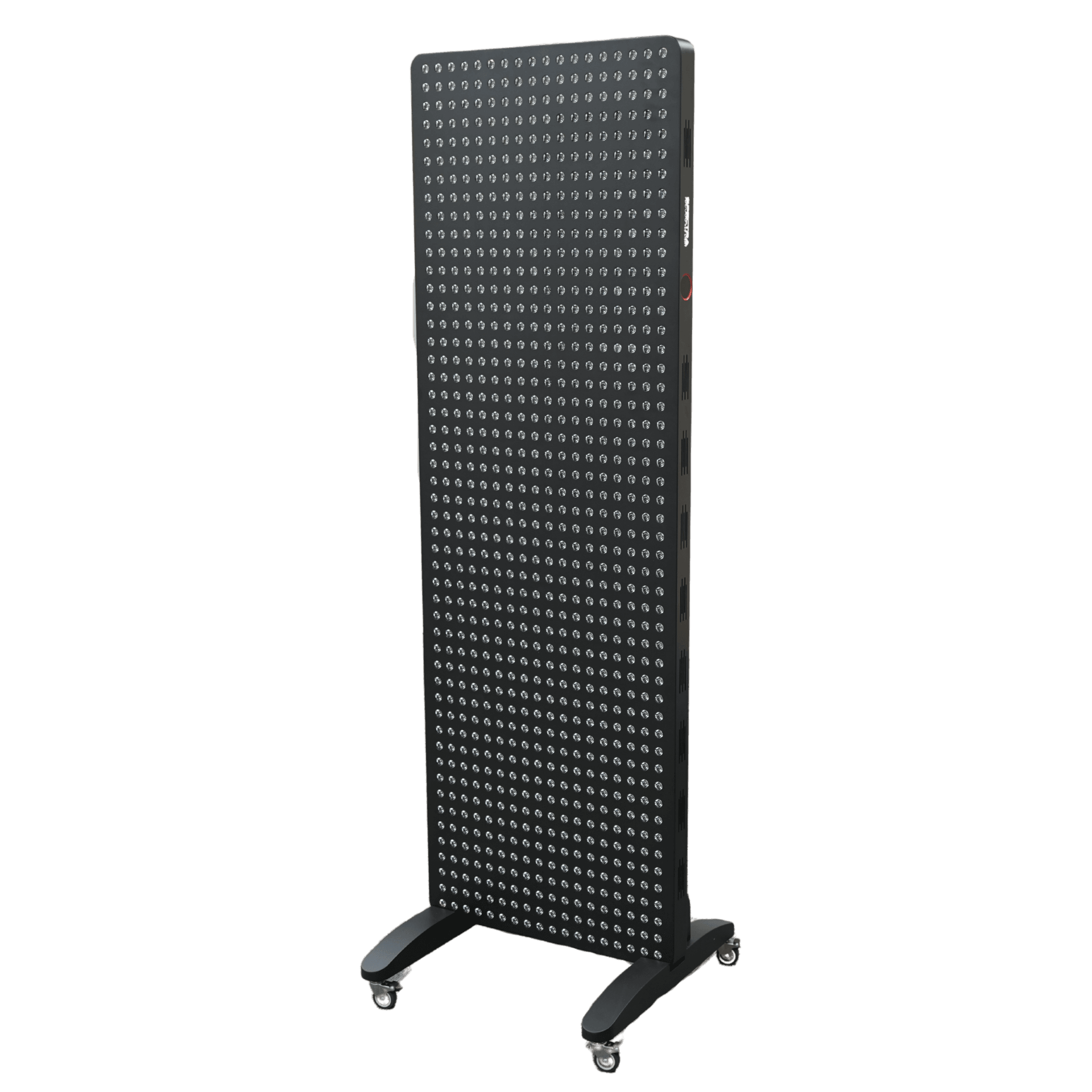
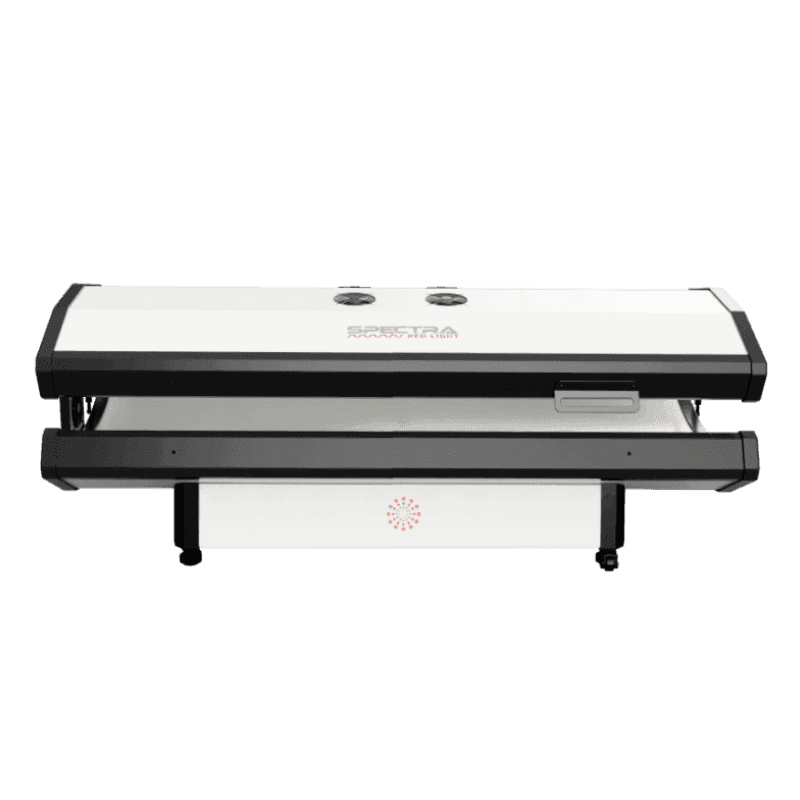
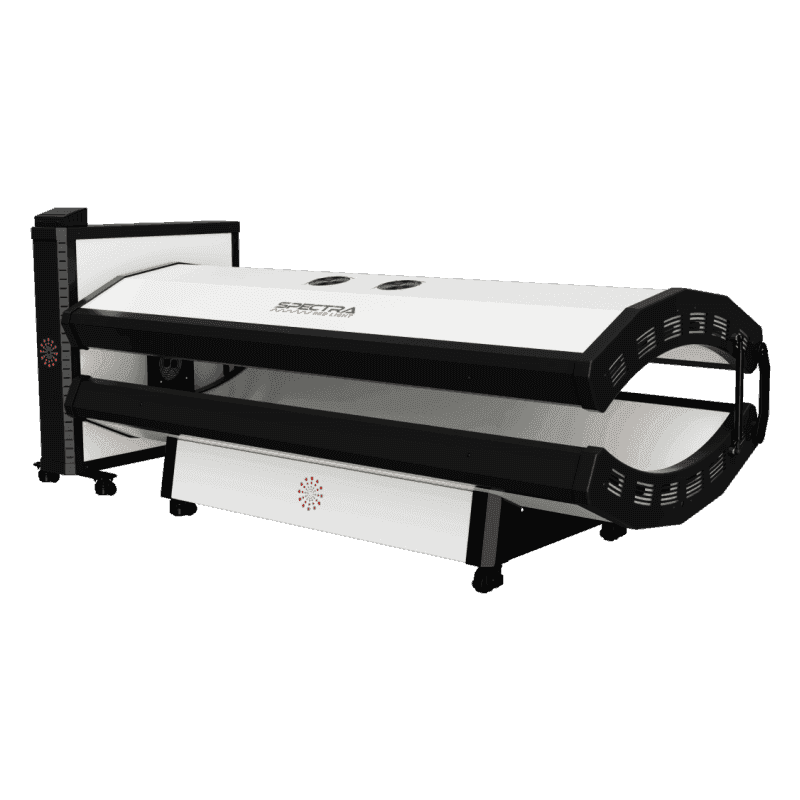
With the convenience of a Red Light Therapy Bed in the comfort of their home, patients can experience a range of benefits. Consistency and regularity are key factors in ensuring the effectiveness of this therapy, as it can serve as a natural booster to the body, improving brain function, energy levels, and overall mental health.
It is important to recognize that Alzheimer's disease is a difficult condition that can have a significant impact on the well-being of both the patient and those around them. By incorporating Red Light Therapy into a comprehensive treatment plan, patients can experience improved well-being and better quality of life, leading to greater independence and overall satisfaction.
Furthermore, the non-invasive nature of Red Light Therapy makes it a safe and effective option for patients of all ages, providing a natural alternative to traditional treatments that may come with a range of side effects. With the support of a doctor and the use of a Red Light Therapy Bed, patients can feel confident in their ability to manage their symptoms and improve their overall health and well-being.
[1] (2022), 2022 Alzheimer's disease facts and figures. Alzheimer's Dement., 18: 700-789. https://doi.org/10.1002/alz.12638
[2] Cardoso FDS, Lopes Martins RÁB, Gomes da Silva S. Therapeutic Potential of Photobiomodulation In Alzheimer's Disease: A Systematic Review. J Lasers Med Sci. 2020 Fall;11(Suppl 1):S16-S22. doi: 10.34172/jlms.2020.S3. Epub 2020 Dec 30. PMID: 33995964; PMCID: PMC7956031.