
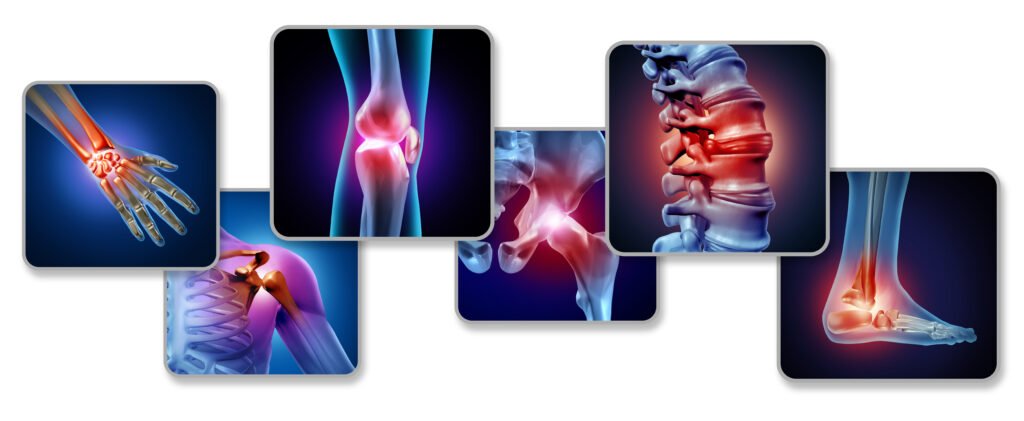
Arthritis is a common and debilitating condition that affects millions of people worldwide. Characterized by joint inflammation, arthritis can lead to chronic pain, stiffness, and reduced mobility, significantly impacting one's quality of life. There are many types of arthritis, with the most prevalent being osteoarthritis and rheumatoid arthritis.
Conventional treatment options include pain-relief medications, anti-inflammatory drugs, and in some cases, surgery. While these treatments can provide relief for many individuals, they may not be effective for everyone, and some patients may experience adverse side effects. As a result, there is a growing interest in alternative and complementary therapies for arthritis management.
Red Light Therapy, also known as photobiomodulation, has gained traction in recent years as a promising alternative treatment for a variety of conditions, including this condition. This non-invasive therapy utilizes specific wavelengths of red and near-infrared light to stimulate cellular repair and reduce inflammation [1], offering potential relief for arthritis sufferers. In this article, we will explore the science behind red light therapy, its benefits, and how to use it safely and effectively.
What is Red Light Therapy?

Red Light Therapy, also known as Photobiomodulation, Low-Level Light Therapy (LLLT), or cold laser therapy, is a non-invasive treatment that uses specific wavelengths of red and near-infrared (NIR) light to stimulate cellular processes and promote healing in the body. The therapy has its roots in the early 20th century when researchers discovered the therapeutic effects of light on living organisms, but it wasn't until the 1960s that the first low-level laser device was developed for clinical use.
Red Light Therapy utilizes specific wavelengths within the visible red (approximately 630-700 nm) and near-infrared (700-1100 nm) ranges of the electromagnetic spectrum. These wavelengths can penetrate the skin, tissues, and even bone, allowing them to reach target cells and stimulate various biological processes [2].
At the cellular level, red and near-infrared light photons are absorbed by mitochondria, the energy-producing structures within cells. This absorption leads to an increase in the production of adenosine triphosphate (ATP), the primary source of energy for cellular processes. As a result, cells become more efficient at repairing damaged tissue and reducing inflammation.
Additionally, Red Light Therapy has been shown to modulate the production of inflammatory cytokines, promote the release of growth factors, and increase blood circulation, all of which contribute to the healing process and pain relief.
This therapy has been studied for its potential benefits in a variety of health conditions, including wound healing, tissue repair, muscle recovery, and pain management. Its anti-inflammatory and regenerative effects make it particularly promising for the treatment of arthritis, as it may help alleviate symptoms and improve joint function without the side effects associated with conventional treatments.
Red Light Therapy and Arthritis
Numerous studies have been conducted to evaluate the effectiveness of Red Light Therapy in treating arthritis. These studies have focused on various types, including osteoarthritis, rheumatoid arthritis, and other inflammatory joint conditions. Research findings have been encouraging, with many studies reporting positive outcomes in terms of pain reduction, improved joint function, and decreased inflammation.
In a systematic review and meta-analysis of randomized controlled trials, red light therapy was found to significantly reduce pain and improve physical function in patients with knee osteoarthritis. Another study demonstrated that this therapy reduced pain and morning stiffness in patients with rheumatoid arthritis.
Furthermore, a study investigating the effects of red light therapy on temporomandibular joint (TMJ) arthritis found that patients experienced significant improvements in pain and jaw function compared to a control group receiving conventional treatment.
Mechanisms of action in arthritis
- Reduction of inflammation
One of the key mechanisms through which Red Light Therapy may benefit arthritis sufferers is its ability to reduce inflammation [3]. By modulating the production of inflammatory cytokines and increasing blood circulation, red light therapy can help alleviate the inflammation associated with this condition, leading to decreased pain and improved joint function. - Promotion of tissue repair
Red Light Therapy has been shown to stimulate the production of growth factors and the proliferation of cells, promoting the repair and regeneration of damaged tissues. For arthritis patients, this can translate to improved joint health and a potential slowing of disease progression. - Pain relief
The anti-inflammatory and tissue repair effects of this therapy can contribute to pain relief in arthritis sufferers. Additionally, red light therapy has been shown to stimulate the release of endorphins, the body's natural pain-relieving compounds, which can further alleviate discomfort associated with this condition.
While conventional treatments such as pain-relief medications and anti-inflammatory drugs can provide relief for arthritis patients, they may also come with undesirable side effects, and their long-term efficacy may be limited. Red light therapy offers a non-invasive, drug-free alternative with a lower risk of side effects, making it an attractive option for those seeking additional or alternative treatments for their arthritis symptoms.
How to Use Red Light Therapy for Arthritis
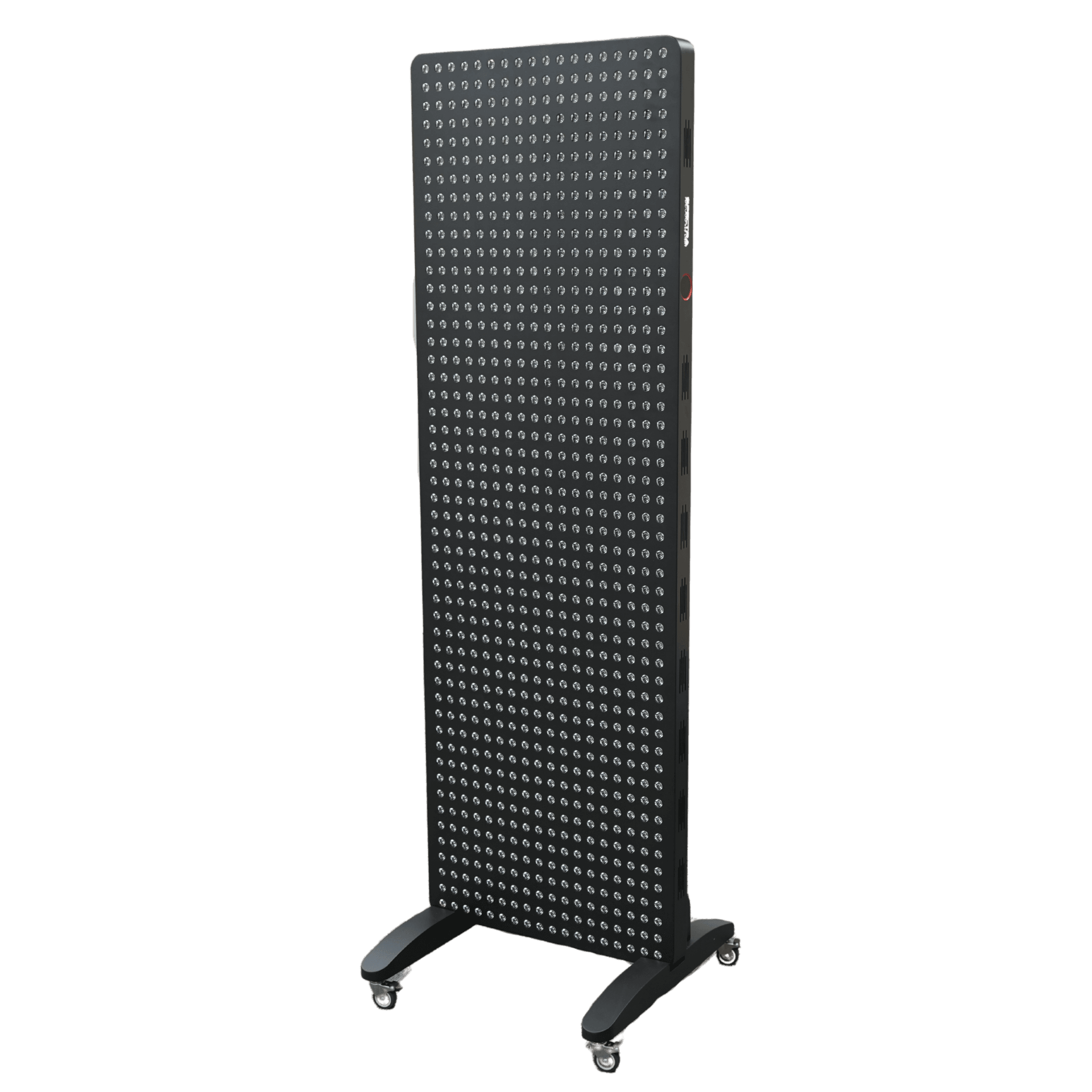
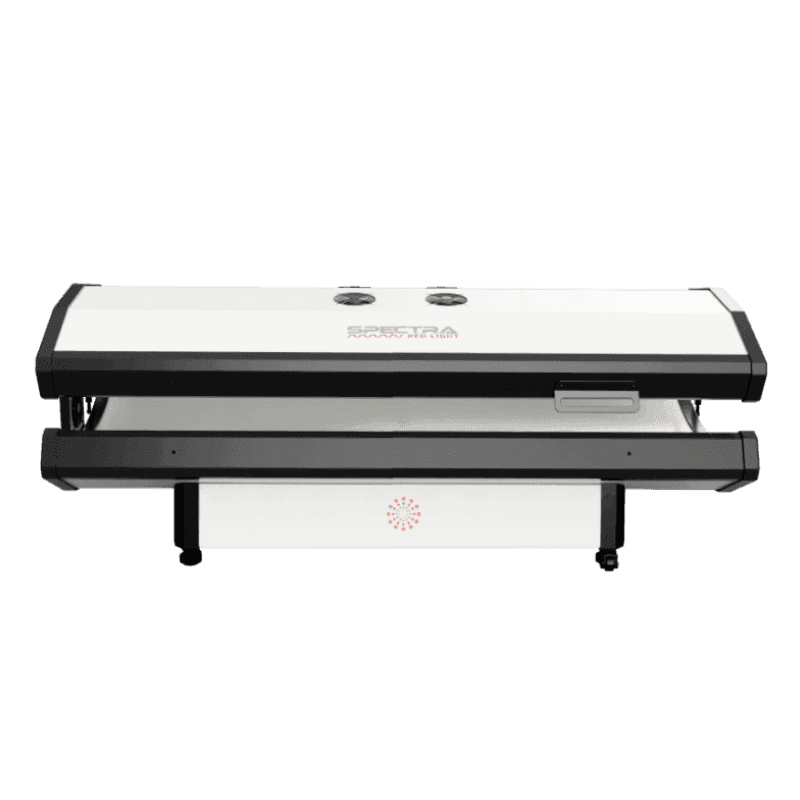
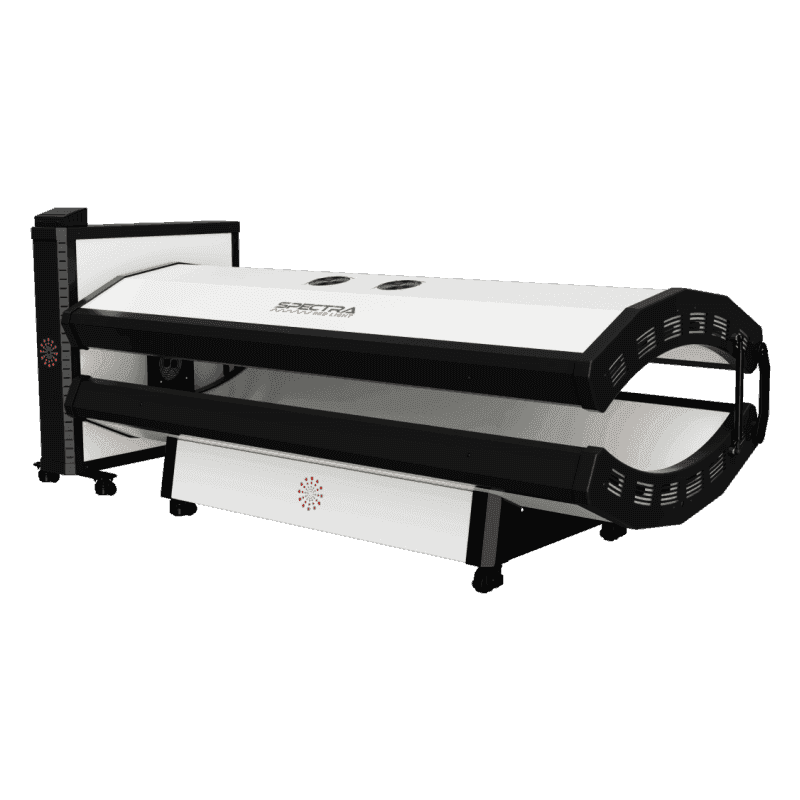
There are various Red Light Therapy devices available for home use, such as handheld units, larger panels, and full-body systems. These devices typically use LED lights to emit red and near-infrared wavelengths, making them safe and easy to use. When choosing a home-use device, take into account factors like the device's wavelength range, intensity, and size to ensure it meets your specific needs. In addition to home-use devices, professional red light therapy devices can be found in clinics, physical therapy offices, and wellness centers.
These devices may use lasers or high-intensity LEDs and are generally more powerful than home-use devices. Treatment with a professional device may require multiple visits to a healthcare provider but can provide more targeted and effective therapy.
The duration and frequency of Red Light Therapy sessions depend on factors such as the severity of your arthritis, the type of device being used, and your individual response to treatment. In general, sessions can last anywhere from 10 to 30 minutes, and treatment may be recommended daily or several times a week.
It's crucial to follow the recommendations of your healthcare professional or the device manufacturer for optimal results. When using red light therapy for arthritis, it's important to target the affected joints and surrounding tissues. This may involve positioning the device directly over the joint or using a larger panel to treat a broader area. Ensure that the skin is clean and free of clothing or other barriers that could impede light penetration.
Before starting any new treatment, it's important to consult a healthcare professional, such as a doctor or physical therapist, to discuss your specific needs and determine if red light therapy is appropriate for your arthritis. Carefully read and follow the instructions provided by the device manufacturer to ensure safe and effective use. This may include guidelines on device positioning, treatment duration, and frequency. Keep track of your progress throughout the course of treatment and communicate with your healthcare professional to make any necessary adjustments. Some individuals may notice improvements within a few sessions, while others may require several weeks of consistent treatment. Be patient and consistent in your treatment to achieve the best possible results.

Arthritis can be a debilitating condition, causing chronic pain, stiffness, and reduced mobility that significantly impact one's quality of life. While conventional treatments can provide relief for many individuals, they may not be effective for everyone, and some patients may experience adverse side effects. Red Light Therapy offers a promising alternative treatment for arthritis sufferers, harnessing the power of specific wavelengths of light to reduce inflammation, promote tissue repair, and provide pain relief.
In this comprehensive guide, we have explored the science behind red light therapy, its potential benefits for arthritis, and how to use it safely and effectively. Real-life success stories from arthritis patients who have benefited from Red Light Therapy serve as inspiring examples of the potential improvements in pain and joint function that can be achieved with this treatment.
As with any treatment option, it's important to consult a healthcare professional before starting red light therapy for arthritis to ensure it's appropriate for your specific needs. With the guidance of a medical professional and a commitment to consistent treatment, red light therapy may provide a valuable addition to your arthritis management plan, helping to alleviate symptoms and improve your overall quality of life.
References
[1] Bjordal JM, Johnson MI, Iversen V, Aimbire F, Lopes-Martins RA. Low-level laser therapy in acute pain: a systematic review of possible mechanisms of action and clinical effects in randomized placebo-controlled trials. Photomed Laser Surg. 2006 Apr;24(2):158-68. doi: 10.1089/pho.2006.24.158. PMID: 16706694.
[2] Huang YY, Chen AC, Carroll JD, Hamblin MR. Biphasic dose response in low level light therapy. Dose Response. 2009 Sep 1;7(4):358-83. doi: 10.2203/dose-response.09-027.Hamblin. PMID: 20011653; PMCID: PMC2790317.
[3] Hamblin MR. Mechanisms and applications of the anti-inflammatory effects of photobiomodulation. AIMS Biophys. 2017;4(3):337-361. doi: 10.3934/biophy.2017.3.337. Epub 2017 May 19. PMID: 28748217; PMCID: PMC5523874.