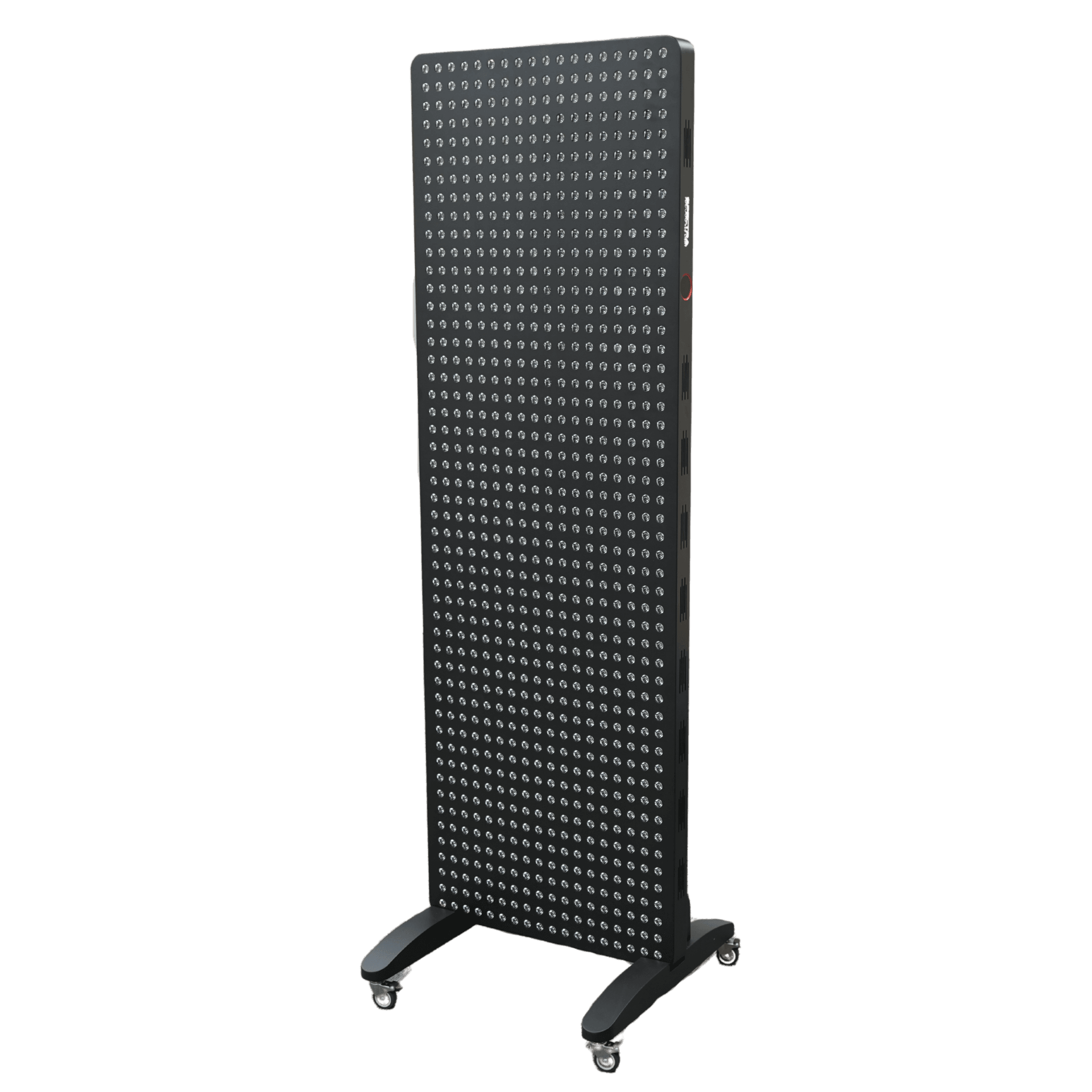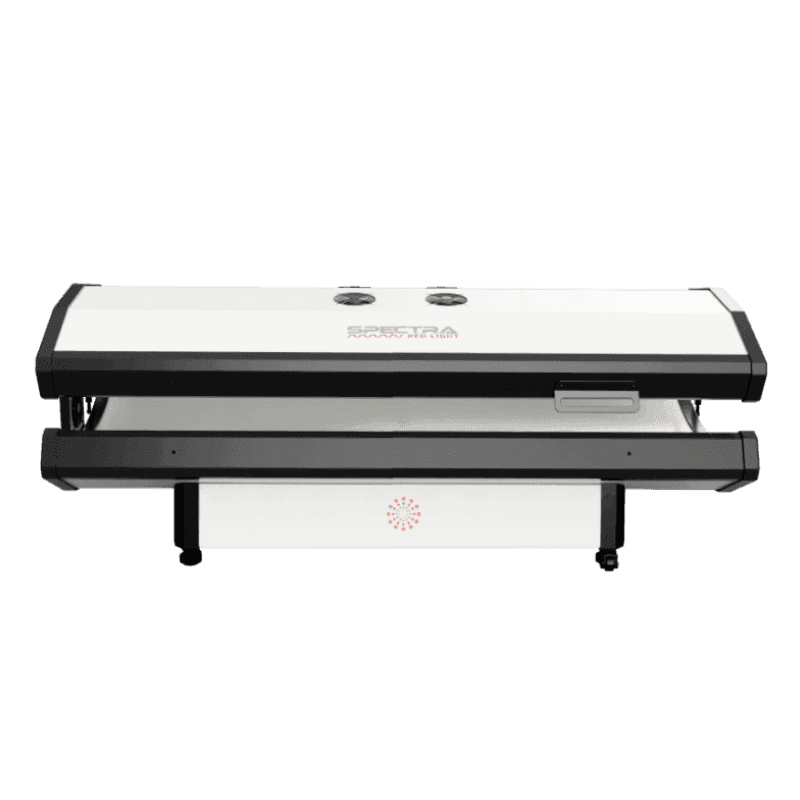
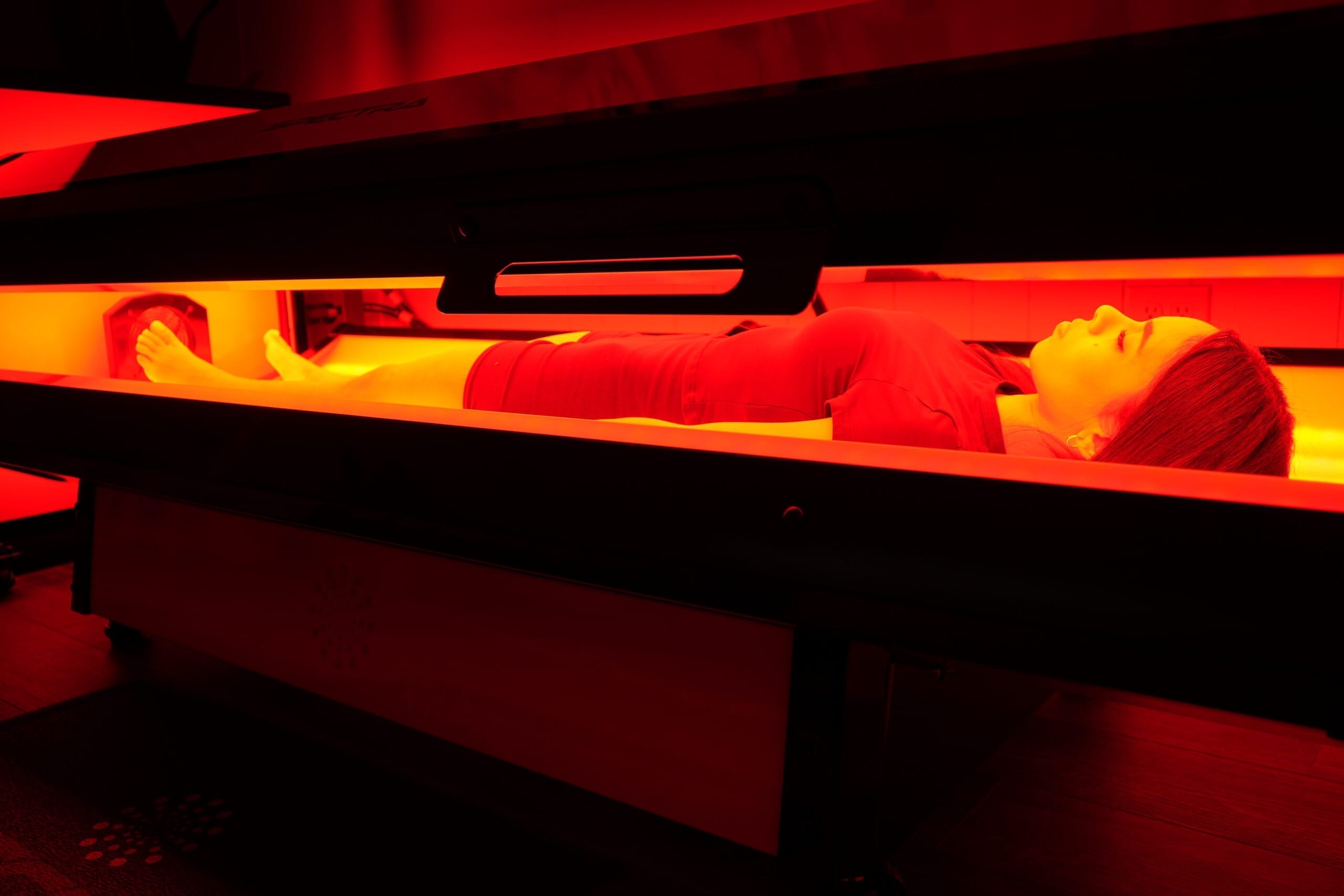
Talking about the biphasic dose response, in recent decades, photobiomodulation (PBM) research has demonstrated that as many as 80-90% of in studies applying Red and Near-Infrared wavelengths see evidence of this process, or so-called Arndt–Schulz law, where there is a clear optimal range of energy density (fluence) and irradiance beyond which additional light yields diminished or even counterproductive biological effects. [1]
Red Light Therapy is one of the most promising wellness technologies available today, but its success depends on more than simply shining light on the body. Research shows that the amount of light energy delivered plays a critical role in determining results. This relationship is known as the biphasic dose response, and it explains why using the right dose is just as important as using the right wavelength.
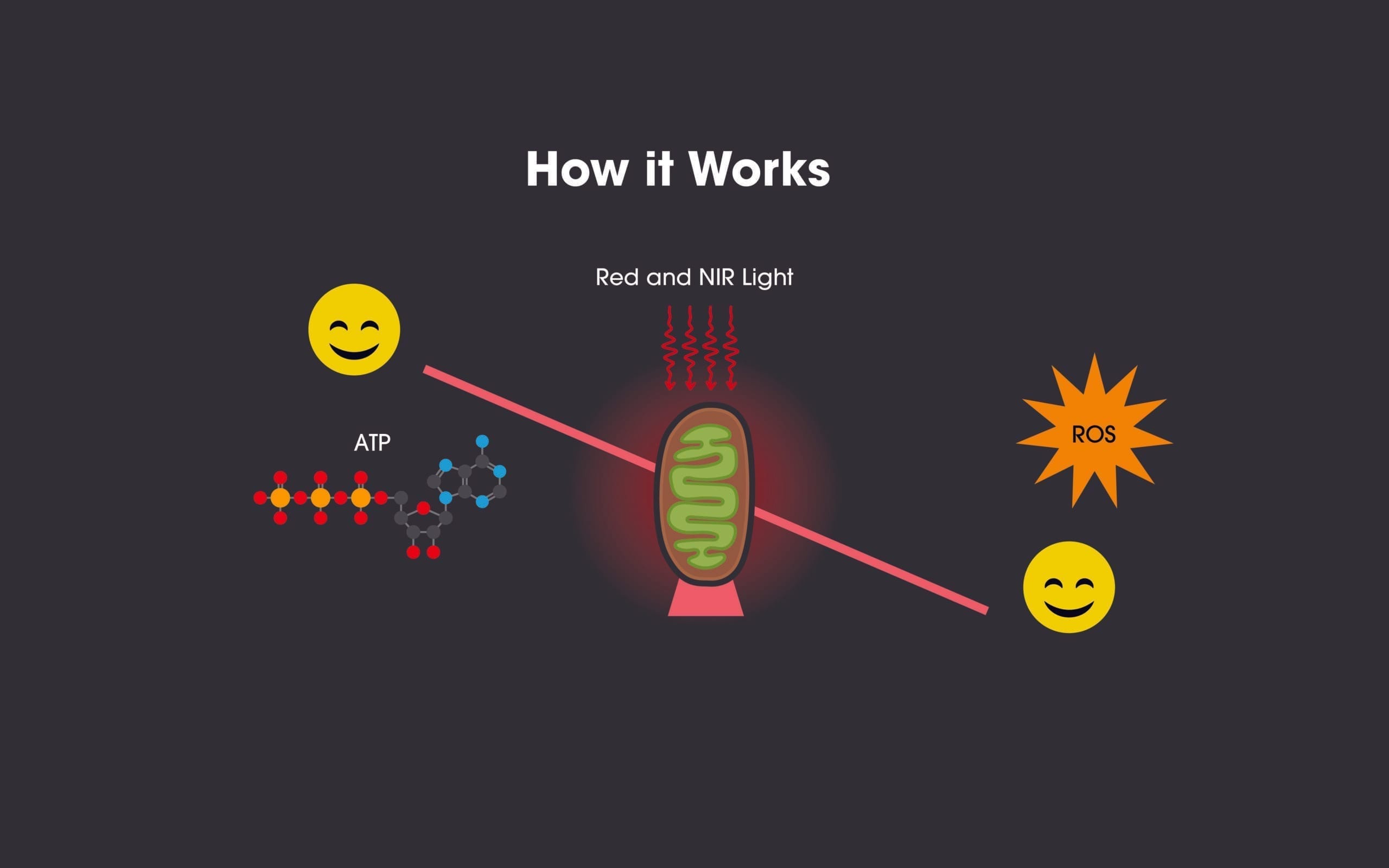
When light in the red and near-infrared spectrum reaches the cells, it is absorbed by mitochondria, producing cellular energy in the form of ATP (adenosine triphosphate). This process enhances energy production, improves blood flow by releasing nitric oxide (NO), and activates beneficial signaling pathways that help reduce inflammation and support tissue repair.
But more light is not always better. When the dose exceeds the optimal range, the benefits can plateau or even decline. Excess energy can lead to cellular fatigue or oxidative stress, temporarily slowing the very processes Red Light Therapy is meant to support.
Understanding the biphasic dose response allows users to stay in the therapeutic window, where light energy is strong enough to stimulate a response, but not so strong that it overwhelms the cell. The result is more consistent, safe, and effective sessions that deliver the full potential of Red Light Therapy.
The Science Behind the Biphasic Dose Response
The biphasic dose response, often referred to as the Arndt–Schulz law, is one of the most important principles in Red Light Therapy. Simply put, it means that there is an optimal range of light energy that produces the best biological effects; too little light will not stimulate change, and too much can actually reduce or slow the benefits.
At the cellular level, Red and Near-Infrared light is absorbed by chromophores inside the mitochondria, primarily cytochrome c oxidase (Complex IV). This interaction increases electron transport activity, boosts adenosine triphosphate (ATP) production, and releases nitric oxide (NO), which supports improved blood flow. The process also creates small, controlled amounts of reactive oxygen species (ROS), beneficial signaling molecules that activate transcription factors like NF-κB and AP-1, triggering repair and regeneration pathways.
When the light dose is in the ideal range, these cellular processes work in harmony, energy production rises, inflammation is modulated, and tissue healing and regeneration accelerate. But when the dose goes beyond the “sweet spot,” ROS can accumulate faster than the cell can neutralize them, mitochondrial activity can plateau, and the body’s natural repair responses may slow down or stop altogether.
Understanding this science helps ensure that Red Light Therapy is used safely and effectively. Devices designed with the right irradiance (light intensity) and fluence (total energy delivered) help you stay in the therapeutic zone, where the benefits are maximized, and the results are consistent and reliable.
Key Mechanisms of Action and Physiological Pathways: Biphasic Dose Response in Red Light Therapy
The power of Red Light Therapy lies in how it interacts with the body at a cellular level. When light in the red and near-infrared spectrum (typically 630–850 nm) penetrates the skin, it is absorbed by mitochondrial chromophores, most importantly cytochrome c oxidase (Complex IV) in the electron transport chain. This interaction triggers several key biological processes that explain why the biphasic dose response is so important.
Mitochondrial Energy Production
Optimal light exposure increases the flow of electrons through the electron transport chain, leading to higher ATP (adenosine triphosphate) synthesis. ATP is the energy currency of the cell, and more energy means cells can perform critical tasks like repair, regeneration, and communication more effectively.
Nitric Oxide Release and Circulatory Support
Red and near-infrared light helps dissociate nitric oxide (NO) from cytochrome c oxidase, restoring cellular respiration and improving vasodilation. Better circulation enhances oxygen and nutrient delivery, accelerates waste removal, and supports overall tissue health.
Redox Signaling and Controlled ROS Production
A proper dose stimulates a small amount of reactive oxygen species (ROS). These act as signaling molecules, activating transcription factors such as NF-κB and AP-1. This leads to the upregulation of genes involved in cellular defense, antioxidant production (SOD, catalase), and tissue repair. Too much light, however, can overwhelm this system and lead to oxidative stress, which is why staying within the right dose range is essential.
Gene Expression and Cellular Regeneration
When light exposure is within the therapeutic window, it promotes the expression of growth and survival factors such as VEGF (vascular endothelial growth factor) for new capillary formation and BDNF (brain-derived neurotrophic factor) for neuronal support. These changes enhance tissue recovery, reduce inflammation, and promote overall resilience.
By engaging these pathways in the right dose range, Red Light Therapy creates a cascade of beneficial biological effects, more cellular energy, better blood flow, balanced inflammation, and faster regeneration. The biphasic dose response ensures you are in the “sweet spot,” unlocking these mechanisms without tipping into overstimulation or diminished returns. For a deeper look at the research behind photobiomodulation, the biphasic dose response, and how Red Light Therapy works, explore our Science Page.
Clinical Evidence Supporting Biphasic Dose Response
The concept of the biphasic dose response is not just a theoretical model; it is well documented across decades of peer-reviewed research in photobiomodulation (PBM). Multiple studies confirm that lower, carefully controlled doses of light produce the most significant biological effects, while higher doses can lead to diminishing returns.
One compelling study titled Biphasic Dose/Response of Photobiomodulation Therapy on Culture of Human Fibroblasts observed that:
“The results indicate that the lower doses (0.45 and 0.75 J/cm²) of PBM induce the highest mitochondrial activity and cellular viability.” [2]
This finding highlights the importance of staying within the therapeutic “sweet spot,” where mitochondria are stimulated to produce optimal levels of ATP, driving tissue repair and cellular regeneration without overloading the cell.
Another landmark paper, Biphasic Dose Response in Low Level Light Therapy, summarizes the principle clearly:
“A biphasic dose response has been frequently observed where low levels of light have a much better effect on stimulating and repairing tissues than higher levels of light.” [3]
Clinical trials in areas such as wound healing, pain reduction, and muscle recovery consistently show that using the correct fluence (energy per area, J/cm²) and irradiance (power per area, mW/cm²) yields superior outcomes compared to doses that are too high. For example:
- Wound Healing: Studies demonstrate accelerated closure rates when light doses are in the low-to-moderate range, while higher doses can delay epithelialization.
- Muscle Performance and Recovery: Research shows improvements in muscle endurance and decreased post-exercise soreness when energy density is within the biphasic window.
- Pain and Inflammation: Optimal PBM dosing is linked to significant reductions in inflammatory cytokines (like TNF-α and IL-6), whereas excessive dosing can negate these anti-inflammatory effects.
Together, this evidence reinforces the importance of precise dosing, not just “more light.” It is this principle that guides the design of professional-grade devices, ensuring that users can reliably experience the benefits of Red Light Therapy without risking overstimulation or wasted time.
The Optimal Approach to Red Light Therapy Dosing
A well-designed approach to Red Light Therapy starts with respecting the biphasic dose response. The goal is not to deliver the highest possible light intensity, but to stay within the therapeutic window, the precise range of irradiance (light power per area) and fluence (total energy delivered) that maximizes biological benefits.
Modern, research-based devices are engineered to deliver uniform and controlled irradiance, typically in the range of 30–40 mW/cm² for full-body applications. This ensures that light penetrates deep enough to reach mitochondria-rich tissues (including muscle, fascia, and even bone marrow) without exceeding the dose that could lead to cellular fatigue or oxidative stress.
Equally important is session duration and frequency. Sessions that last just long enough to deliver the ideal energy density (J/cm²) allow mitochondria to respond optimally:
- ATP production rises, fueling cellular repair.
- Nitric oxide (NO) release improves blood flow and nutrient delivery.
- Redox signaling remains balanced, keeping reactive oxygen species (ROS) at beneficial levels rather than harmful ones.
This careful calibration ensures that each session stimulates cellular regeneration, inflammation modulation, and improved circulation without oversaturating the cells with energy. The result is a consistent, safe, and effective therapy experience that supports long-term health and performance.

The science is clear: the benefits of Red Light Therapy depend not just on wavelength, but on getting the dose right. The biphasic dose response teaches us that more light is not always better. Instead, there is a precise range of irradiance and fluence that activates the body’s natural healing and regeneration pathways without overwhelming them.
When light in the red and near-infrared spectrum is delivered within this therapeutic window, it stimulates cytochrome c oxidase in the mitochondria, boosting ATP production, releasing nitric oxide, and triggering redox-sensitive signaling pathways that reduce inflammation and promote cellular resilience. The result is improved energy metabolism, enhanced circulation, balanced immune responses, and accelerated tissue recovery.
By understanding and respecting the biphasic dose response, users can choose devices and protocols that consistently deliver safe, effective, and evidence-based results. The goal is not simply exposure to light, but precision therapy, optimizing the body’s response for better health, faster recovery, and long-term cellular vitality. To explore devices designed to deliver the ideal dose within the therapeutic window, visit our Product Page and discover the full lineup of professional-grade Red Light Therapy systems.
Red Light Therapy works best when it works with your biology, and the biphasic dose response is the key to unlocking its full potential.
References
[1] Huang YY, Sharma SK, Carroll J, Hamblin MR. Biphasic dose response in low level light therapy - an update. Dose Response. 2011;9(4):602-18. doi: 10.2203/dose-response.11-009.Hamblin. Epub 2011 Sep 2. PMID: 22461763; PMCID: PMC3315174.
[2] Flores Luna GL, de Andrade ALM, Brassolatti P, Bossini PS, Anibal FF, Parizotto NA, Leal ÂMO. Biphasic Dose/Response of Photobiomodulation Therapy on Culture of Human Fibroblasts. Photobiomodul Photomed Laser Surg. 2020 Jul;38(7):413-418. doi: 10.1089/photob.2019.4729. Epub 2020 Mar 24. PMID: 32208063.
[3] Huang YY, Chen AC, Carroll JD, Hamblin MR. Biphasic dose response in low level light therapy. Dose Response. 2009 Sep 1;7(4):358-83. doi: 10.2203/dose-response.09-027.Hamblin. PMID: 20011653; PMCID: PMC2790317.